New Allies Join Inditex and Kering’s Regenerative Farming Initiative
The Spanish and French powerhouses are the leading forces behind Conservation International’s Regenerative Nature Fund, which this year has surpassed over one million hectares dedicated to regenerative practices.
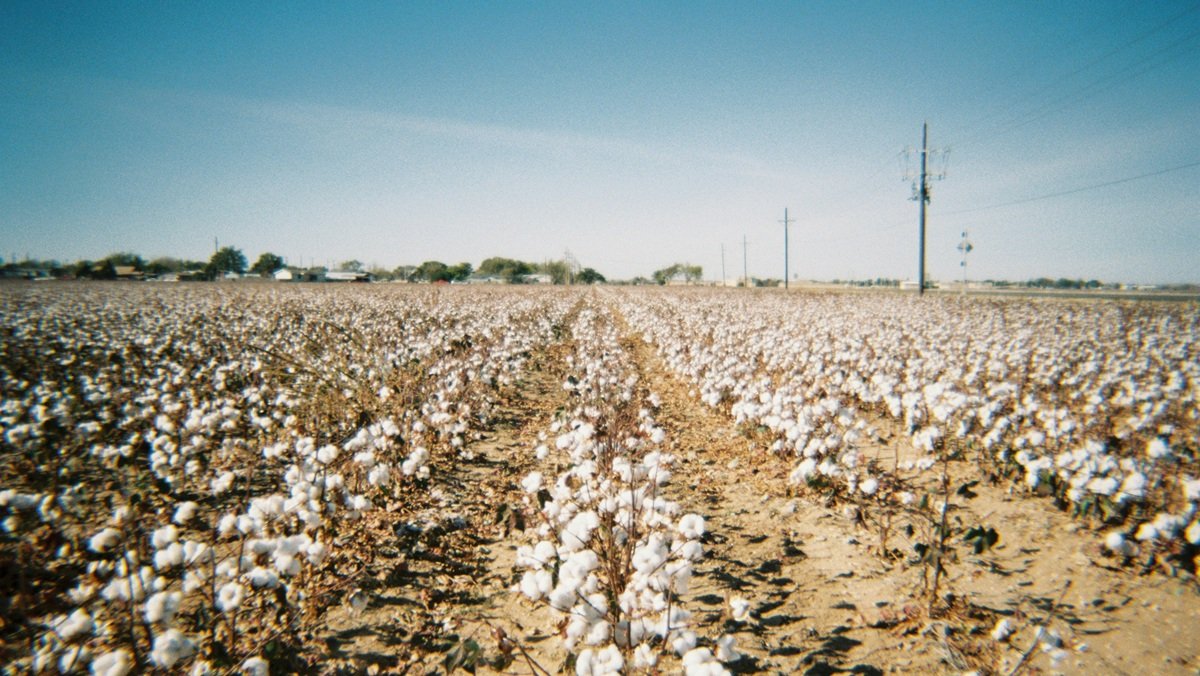

Inditex and Kering, partners to boost regenerative agriculture. The Spanish giant and the French conglomerate have lowered the entry threshold for potential new participants who want to join Conservation International’s Regenerative Fund for Nature. This entity, launched by Kering in 2021 and joined by Inditex two years later, aims to boost the use of sustainable materials.
Specifically, from now on, interested companies will be able to commit an annual investment of $200,000 for a period of three years, and become “core partners”. The initial payment, which is maintained for companies seeking a more relevant role, stands at three million dollars for three years.
Kering and Conservation International launched the fund in 2021, with the goal of incorporating new regenerative practices into the fashion production chain by 2026. Inditex joined as a partner in 2023, when it contributed fifteen million euros to the environmental organization.
Inditex and Kering lead the regenerative fund that has impacted agriculture in eight countries
Since then, as its latest annual report explains, the entity has already surpassed its goal of converting more than one million hectares to regenerative agricultural practices by 2024. In total, the program has also benefited 105,000 people from eight countries, including farmers, local communities and partner organizations, and some of the resulting raw material has found its way into some of the collections of the French luxury conglomerate’s brands.
Of the total 1.1 million hectares of farmland, 845,000 hectares are included for direct projects and another 267,000 hectares for indirect projects related to the transformation of raw material supply chains for the fashion industry.
The fund has located the projects in countries around the world, including Argentina, France, India, Mongolia, Pakistan, South Africa, Uganda and Spain. And it works with cotton, wool, leather and cashmere, four of the key materials for the fashion industry.
In 2024, Conservation International implemented a Monitoring and Evaluation framework in the fund that allows it to measure the impacts of each project according to international standards that track environmental and social impact, including Science Based Targets for Nature (SBFN), an initiative that sets scientific standards to reduce the carbon footprint of companies.
Related content

Central America’s Fashion Scene Heats Up with Siman
7 ago 2025 - 05:00


Gucci’s Hits Kering: Sales Drop 16% in 1H
29 jul 2025 - 15:22

Kering Exits Luxury Leasing: Reverses Course on Cocoon Investment
25 jul 2025 - 07:09
Latest news

Birkenstock projects double-digit growth through 2028 with renewed strategy
29 ene 2026 - 11:16

Levi Strauss Boosts Profitability: Dodges Tariff Impact and Triples Earnings
29 ene 2026 - 11:15

H&M keeps its finger on the pulse and earns 4.6% more at fiscal year-end
29 ene 2026 - 11:10

Gordon Brothers Takes Over LK Bennett, Sets Stage for Global Expansion
28 ene 2026 - 12:33