From Ghana to Egypt and Lesotho: Africa’s Emerging Fashion Landscape
Morocco and Tunisia stand as traditional suppliers to the European fashion industry, while Egypt is emerging as a significant textile producer. Meanwhile, Lesotho is a major exporter to the US, and South Africa boasts one of the continent’s highest GDPs per capita.
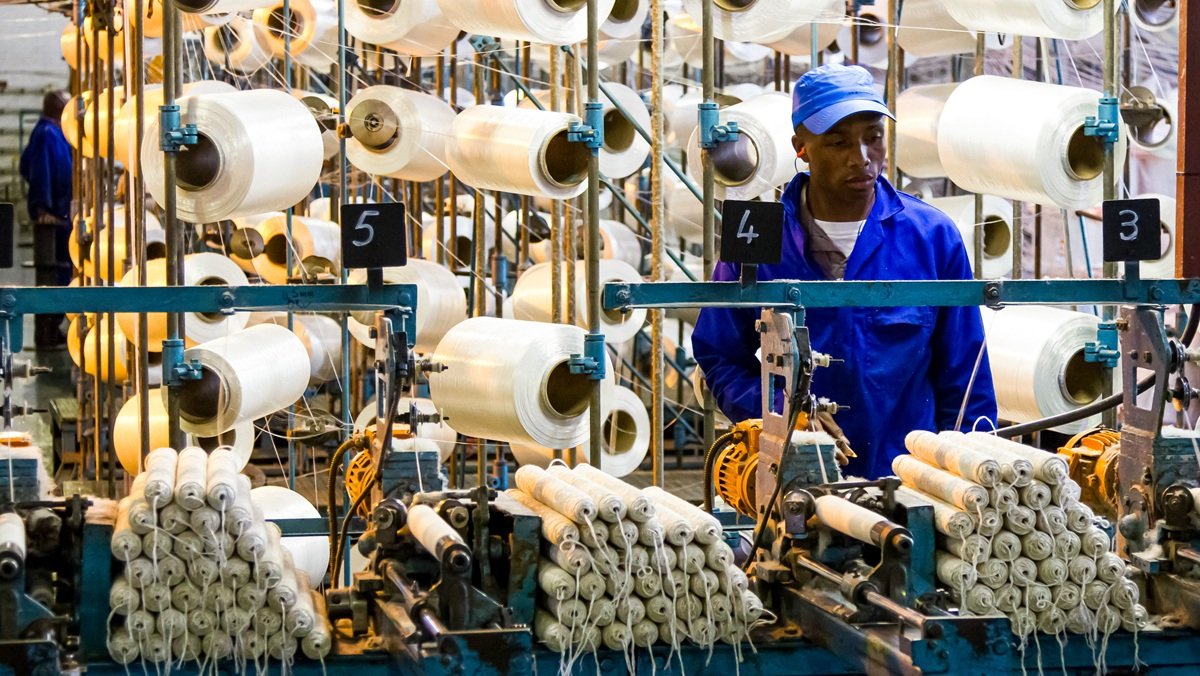

Driven by nearshoring, Morocco and Egypt are gradually gaining positions on the European fashion sourcing map. Lesotho, in turn, with exports to the US valued at $237 million, sees its position as the US sewing machine endangered by a tariff of up to 50% on its sales to the country. In Ghana, the Kantamanto fire has put the spotlight on where and, especially, how much of the West’s textile waste ends up, while South Africa, with one of the largest economies in the territory, is one of the entry points for European brands to Africa. Africa’s role in the fashion industry is becoming increasingly prominent.
The African continent is a complex territory, with more than 30 million square kilometers and 54 countries with extremely diverse economies, geographies and cultures. According to data from the International Monetary Fund (IMF), five countries account for half of the continent’s Gross Domestic Product (GDP), estimated at around $2.8 trillion. This, however, is unevenly distributed, with South Africa, Ethiopia, Egypt, Algeria and Nigeria accounting for up to $1.4 trillion of the total.
Africa has not yet exploded as a consumer hub for Western fashion brands. Very gradually, however, several countries have developed their productive potential, from clothing to tanneries to the cultivation of raw materials. “The African industry is concentrated both at the beginning and at the end of the value chain, in raw materials and clothing, with very little capacity in the production of fabrics and textiles,“ explains the British research center ODI Global in its latest report on the territory. This has generated, warns the text, that part of the potential value of the textile industry is diluted in third countries such as China or Bangladesh, which later sell the fabric back to the African territories at a higher price and where they are finally manufactured.
Africa sold textile worth $22 billion dollars in 2023, 3% of total exports
According to data from Harvard University, Africa exported goods and services totaling $747 billion to the rest of the world in 2023. Of the total, textiles accounted for $22 billion, almost 3%, ranging from apparel (mainly pants) to cotton exports, which account for just over 7% of all textile sales from the continent abroad. In recent years, however, the textile industry on the continent has benefited from the creation in 2018 of the African Continental Free Trade Area (Afcfta), as well as from the economic development of part of the Asian economies that concentrated the continent’s textile exports.This has raised the production and wage costs of their workers in the area, and led companies to look for cheaper alternatives.
Morocco has traditionally been one of the main textile hubs in Africa. Its proximity to Europe has been the main driver of this industry, making it a close producer for Spain, Italy and Portugal. Among the countries that are growing in the heat of a better climate for their economies, however, the big winner over the past year has been Egypt, thanks to its strong growth in the textile sector. Egypt, thanks to its cheaper labor force, proximity to European countries and lower inflation, has been the big winner over the past year, making it a cheaper and more stable alternative.
Lesotho, a small country located literally inside South Africa, has carved out a niche in fashion sourcing thanks to the USA, where it exports more than half of its textile production to giants such as Levi Strauss and Walmart. In total, fashion accounts for 90% of the country’s manufacturing exports, and employs 40,000 people, so Donald Trump’s decision to impose a 50% tariff, now estimated to remain at 15%, on Lesotho products entering the country shook the sector.
Ghana and South Africa represent the two faces of fashion consumption. On the one hand, the South African power, with a GDP per capita of 6,200 euros, at the top of the ranking of all countries on the continent, stands as one of the main, and scarce, destinations for international fashion in the territory. Major retail giants such as H&M, Inditex, Mango or Gap have had, and in some cases such as H&M and Inditex, still have a presence in the country. On the opposite side is Ghana, which has already become known as the great fashion dumping ground next to Atacama in Chile. The Kantamanto fire earlier this year put the spotlight on the fate of most of the textile waste. According to data from the European Environment Agency, up to 46% of this European waste ends up in Africa, in places like Kantamanto, where around 15 million garments arrive every week.
Related content


Birkenstock projects double-digit growth through 2028 with renewed strategy
29 ene 2026 - 11:16

Levi Strauss Boosts Profitability: Dodges Tariff Impact and Triples Earnings
29 ene 2026 - 11:15
Latest news
Birkenstock projects double-digit growth through 2028 with renewed strategy
29 ene 2026 - 11:16
Levi Strauss Boosts Profitability: Dodges Tariff Impact and Triples Earnings
29 ene 2026 - 11:15

H&M keeps its finger on the pulse and earns 4.6% more at fiscal year-end
29 ene 2026 - 11:10

Gordon Brothers Takes Over LK Bennett, Sets Stage for Global Expansion
28 ene 2026 - 12:33