Vietnam Sets Sail on $14 Billion Port to Enhance Trade Capabilities
Vingroup takes the helm on a groundbreaking initiative projected to start in 2026 and wrap up by 2040, ultimately creating a massive 4,400-hectare site. The company intends to cover 15% of the investment and will look to external sources to fulfill the rest.
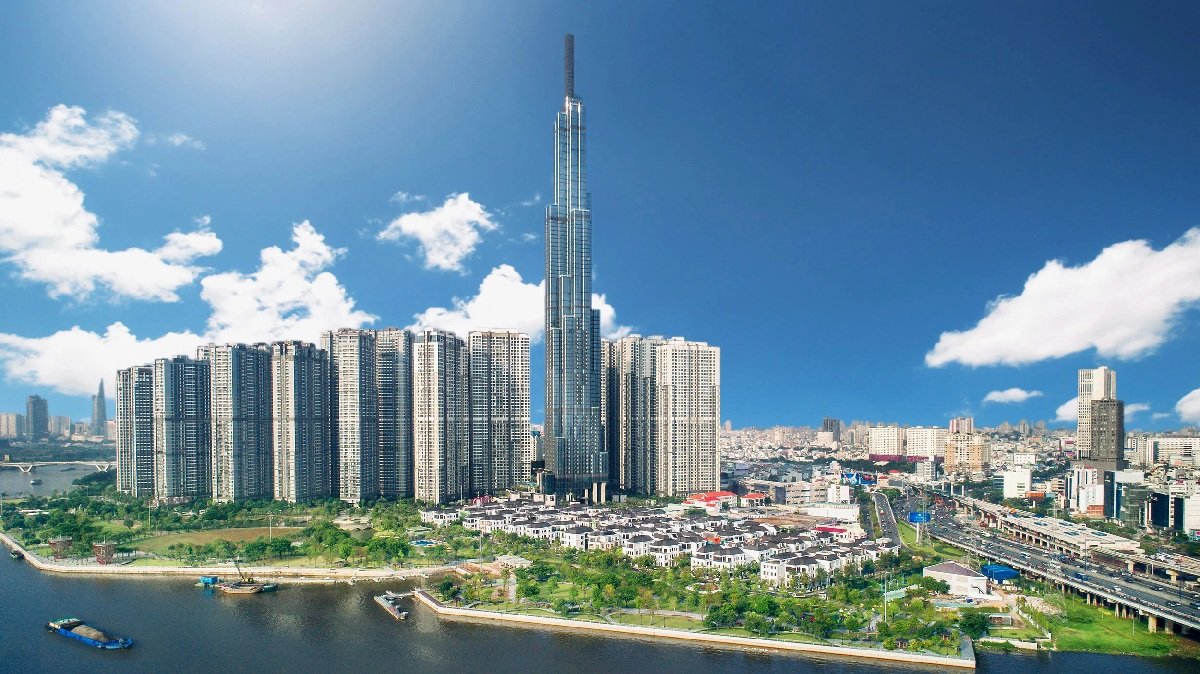


Vietnam grows despite tariffs. Vietnam’s trade expansion is driving a $14 billion port project spearheaded by Vingroup Company, one of the country’s largest conglomerates.
The group plans to build a new port complex and logistics center in the northern city of Hai Phong, where it plans to invest more than $14 billion. The project is scheduled to break ground next year, with construction expected to be completed in 2040, resulting in a new complex of up to 4,400 hectares (around 10,870 acres) of land and water.
The company has announced that it will directly finance 15% of the total costs, and will seek external sources to secure the remaining 85%. In parallel, last June the country’s Ministry of Construction approved a $2.5 billion development plan to upgrade Hai Phong’s port facilities with a 2030 target date, and a further $457 million will fund public maritime infrastructure.
Vietnam to pay 40% tariff rate on goods passing through China
Vingroup has specified in a statement the planning of the project as “a modern, environmentally friendly urban complex, connected to international logistics and port service centers, with green, smart and sustainable development.“
The giant is owned by businessman Pham Nhat Voung, the richest person in Vietnam. The company operates in sectors such as real estate, healthcare, retail, education, technology and automotive, with the VinFast division, which manufactures electric vehicles in a 335-hectare industrial complex in Hai Phong.
This boost in trade capacity is in response to the newly instituted tariffs imposed by the United States on most countries in the world. In the case of Vietnam, last June, the country reached an agreement to introduce a 20% tariff rate, affecting all products exported from the country.
The figure, although lower than those received by other competitors such as India (which could boost the country’s industry), also contemplates another tariff of 40% for those products which, despite leaving Vietnamese ports, come from other countries, mainly China.
Related content

Vietnamese Associations Advocate for Material Hub to Boost Fashion Industry
23 jul 2025 - 07:35



Swatch Sees 89% Profit Decline in 2025 Amid Tariff Woes and Sluggish Demand
30 ene 2026 - 04:26
Latest news
Swatch Sees 89% Profit Decline in 2025 Amid Tariff Woes and Sluggish Demand
30 ene 2026 - 04:26


Inditex’s Eduard Casabella on Oysho’s Sport Pivot and Growth Through Identity
29 ene 2026 - 18:40