LVMH Targeted by Cybercriminals in UK Data Breach Affecting Multiple Luxury Companies
The world’s largest luxury conglomerate claims that no banking data has been leaked, but warns users that they may face fraud attempts in the coming days. LVMH Korea announced another attack a week ago.
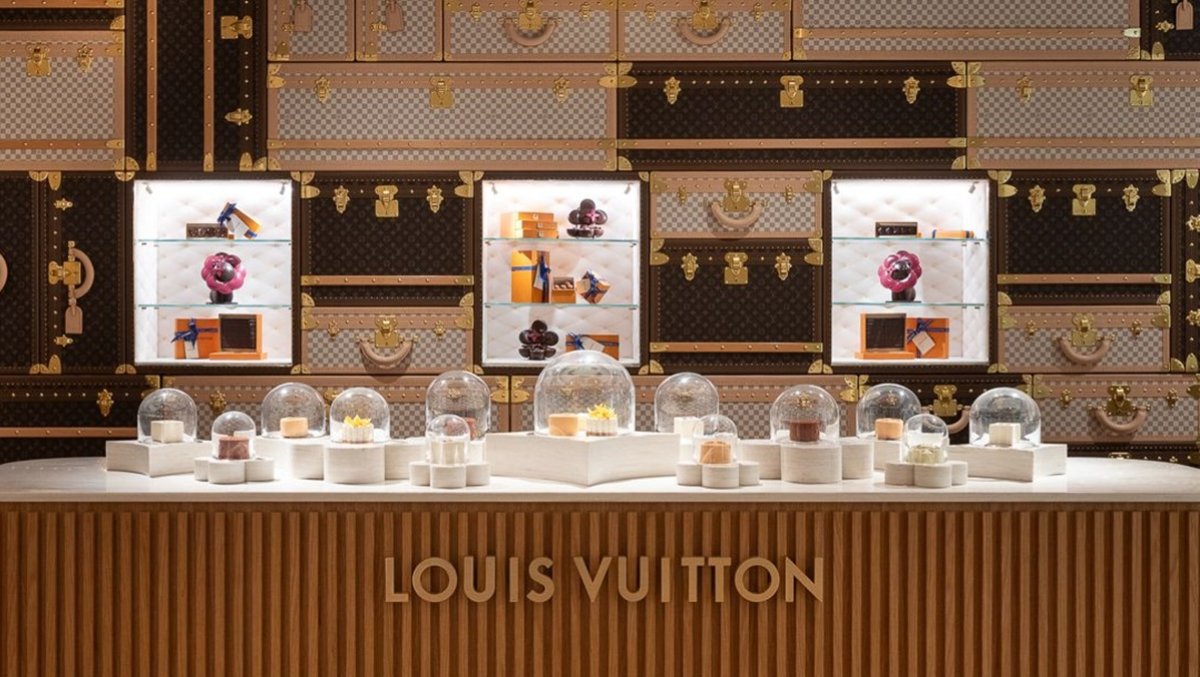


LVMH’s British subsidiary has suffered a cyber attack, the third in recent months. This time, the information extracted included stolen names, contact details and purchase history. The company claims that its customers’ bank details are still in charge.
LVMH has sent an email to its customers to be alert, warning them that as a result of the theft they may begin to suffer fraud attempts or unauthorized use of their information, as noted by Bloomberg news agency.
LVMH has been at the center of cyber-attacks suffered by fashion in recent months. Last week, LVMH Korea announced it was investigating a similar attack in which customer information was stolen. Christian Dior, the group’s second-largest brand, also reported in May that hackers had accessed customer data.
LVMH Korea announced last year that it was investigating a similar attack on customer information
In recent months, hackers have targeted other British brands such as department stores Marks&Spencer and Co-op Group, as well as luxury department store Harrods.
In the last year, cyber attacks have become increasingly frequent in the industry worldwide. Last January, Hoff announced that it had suffered a breach of its customer database and in March, El Corte Inglés reported unauthorized access to customer data through an external provider.
Last year, Tendam customer information was leaked in Spain, and Decathlon employees in France had their data compromised by cybercrime.
According to the latest data published by McKinsey, by 2025 alone, the estimated cost to businesses from cyberattacks will reach $10.5 trillion. This represents a 300% increase compared to the past decade.
Related content
LVMH Enhances Its American Structure, Taps Michael Burke for Leadership Role
7 jul 2025 - 16:05

What fashion has done so far to avoid tariffs
8 jul 2025 - 06:00


Latest news
Gordon Brothers Takes Over LK Bennett, Sets Stage for Global Expansion
28 ene 2026 - 12:33
Galeries Lafayette Finalizes Sale of BHV Building Amid Shein Controversy
28 ene 2026 - 12:30

VF Corp’s Q3 Results Shine with 28% Boost as Business Reorganization Unfolds
28 ene 2026 - 08:23

Claire’s Faces Another Setback in the UK with Second Bankruptcy in Six Months
28 ene 2026 - 08:21