

LuisaViaRoma Enlists Legal and Government Support to Restructure Debt
The Italian powerhouse, a leading European luxury e-commerce platform, has turned to government and judicial authorities seeking measures to tackle debts of up to €30 million.
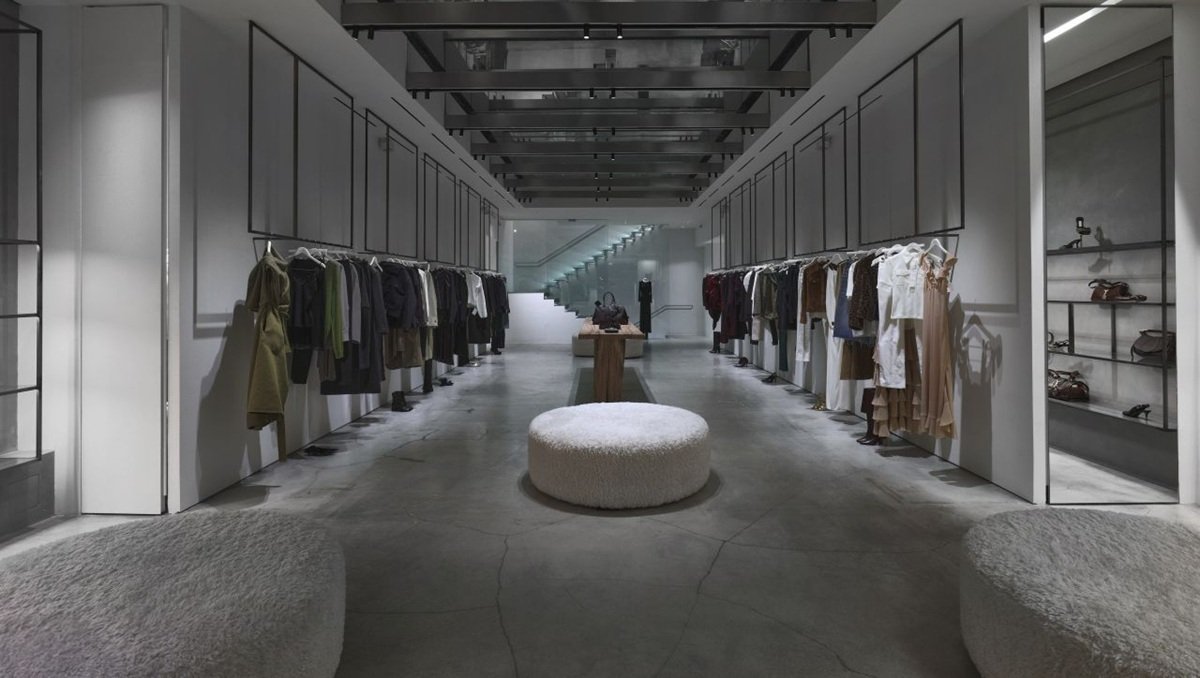


LuisaViaRoma, in crisis. The Italian company, which established itself as one of Europe’s leading luxury ecommerce platforms, has filed for the equivalent of bankruptcy in the country, according to WWD. The decision comes after the company has already held previous negotiations with its financial creditors.
The objective, in fact, is to try to ensure the continuity of the business while the company restructures its debt, which according to the latest available data consulted by the media amounted to €30 million last month. Recently, LuisaViaRoma also carried out a capital increase valued at 20 million euros.
“This is a complicated moment, but also a starting point for our new strategy,“ explained Tommaso Maria Andorlini, CEO of the group, in a publication on the social network LinkedIn. The executive referred to the structural crisis that the luxury and e-commerce sector is going through: “both retailers and brands have made mistakes that we must assume,“ he added.
LuisaViaRoma has liabilities of up to 30 million euros
The application filed by LuisaViaRoma is structured through two different bodies. Firstly, the Italian company has availed itself of the measure known in the country as negotiated composition of the crisis, mediated by the country’s Chamber of Commerce. This is extrajudicial and voluntary, and involves negotiation with its creditors through an external commissioner.
At the same time, the company has also requested other judicial protection measures before the Court of Florence. This request, which will be resolved by the end of the month, would give the company a maximum of one year to carry out a restructuring plan, preventing it from filing a compulsory insolvency proceeding during that time.
The company was founded in 1929 by Luisa Jaquin in the same city where it is also headquartered. Although it was born as a physical store, the company has eventually established itself as one of Europe’s leading luxury ecommerce platforms. Around 90% of its turnover, in fact, comes from the online channel, through which it offers products from more than 500 luxury companies on its platform.
Related content

Coty Moves Forward with Restructuring: President and CEO Step Down
14 dic 2025 - 19:54

Fursac Faces Creative Change as Borsarello Exits Amid Smcp Revamp
14 dic 2025 - 09:14


Ikks Saved from Bankruptcy as HoldIkks Chief and Veepee Co-Founder Intervene
12 dic 2025 - 13:04
Latest news
Coty Moves Forward with Restructuring: President and CEO Step Down
14 dic 2025 - 19:54
Fursac Faces Creative Change as Borsarello Exits Amid Smcp Revamp
14 dic 2025 - 09:14
Ikks Saved from Bankruptcy as HoldIkks Chief and Veepee Co-Founder Intervene
12 dic 2025 - 13:04


