Liverpool’s Fashion Footprint Slows: Is E-commerce and Credit the Key to a Turnaround?
In the face of waning apparel demand and burgeoning inventory, Mexico’s department store behemoth is betting big on the final quarter to secure its profitability.
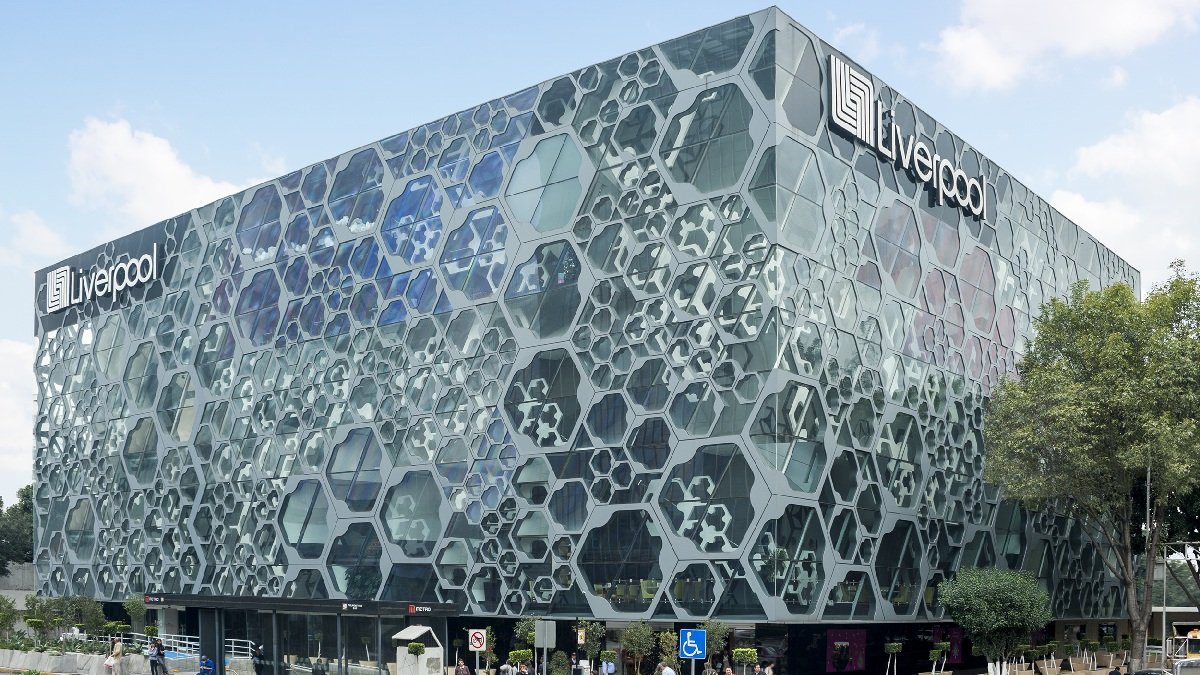


Mexico’s largest department store shows resilience with cracks. Liverpool closed the third quarter with an increase in revenues, although its profit continues to fall, as it has done in other periods of the year. The group, which includes fashion giants such as Gap, Adidas and Levi’s, has lost momentum in key categories such as apparel, footwear and accessories.
Although Liverpool is growing in turnover, fashion is no longer driving the company. In its latest results presentation, the Mexican company highlighted segments such as sports footwear, mattresses, household appliances and cosmetics, while “clothing was modernly below expectations”.
Within Liverpool’s commercial retail, fashion was, in the third quarter, the category with the least dynamism, while home, electronics or beauty were the ones that drove revenues.
Since the beginning of the year, Liverpool has been showing signs of slowdown in fashion consumption and, as a result, trying to reverse the situation with campaigns such as back to school and mid-season sales, which, according to the latest report, “had mixed results due to a cautious consumer”.
Liverpool increased its inventories by 15.8% in the third quarter
As a result of lower fashion consumption, Liverpool’s inventory soared 15.8% and the margin was reduced by 2.2 points, generating greater stock pressure in the fashion segment and lower turnover. Faced with this data, the department store company insisted on maintaining its strategy of having the necessary merchandise for the year-end season. “Obsolete inventories are at acceptable levels,“ said Liverpool in its results presentation.
In addition to this, the Mexican group has also faced a large increase in operating expenses due to the minimum wage and the logistical pressure caused by the tariff war with the United States. The latter has most directly affected footwear, whose minimum price tariff stood at 22 dollars per pair, hitting Suburbia, Liverpool’s chain known for its low prices, the hardest.
Heading into the last quarter of the year, Liverpool faces the challenge of saving its margin, but can fashion be the protagonist of the turnaround? So far, Liverpool’s revenues have been strengthened by other businesses such as real estate, which grew 7.3% in the third quarter, and finance, which soared 15.7% between July and September.
Consumer credit in Mexico grew by 8.4% in August, according to the latest data available from Banxico. However, the sector presented higher delinquency in department store cards, with default rates of around 6%.
Liverpool’s financial business continues to grow and more than half of its online sales are paid with credit cards
Liverpool’s ecommerce has consolidated its position as the Mexican group’s fourth fastest-growing business. According to the Mexican Association of Online Sales (Amvo), Liverpool is the largest omnichannel retailer in Mexico, although it still faces problems such as logistics costs and returns. Liverpool’s financial circuit is consolidated considering that more than half of its online sales are paid with the Liverpool or Suburbia credit card, turning its fashion customers into recurring users of the digital financial ecosystem.
Before presenting its results for the first nine months, Liverpool warned that it will not meet its forecasts for the 2025 fiscal year. Enrique Güijosa, director of the Mexican group, said at the time that growth was “well below what we had planned”. The company aimed to grow between 5% and 6% this year.
Related content

Liverpool Port Reports 7.5% Growth in Nine Months, Hindered by Retail Sector
22 oct 2025 - 07:26

Mexican Liverpool Sees 47% Drop in Q2 Profits Amid Rising Expenses
29 jul 2025 - 07:51
Birkenstock projects double-digit growth through 2028 with renewed strategy
29 ene 2026 - 11:16

Levi Strauss Boosts Profitability: Dodges Tariff Impact and Triples Earnings
29 ene 2026 - 11:15
Latest news
Birkenstock projects double-digit growth through 2028 with renewed strategy
29 ene 2026 - 11:16
Levi Strauss Boosts Profitability: Dodges Tariff Impact and Triples Earnings
29 ene 2026 - 11:15
H&M keeps its finger on the pulse and earns 4.6% more at fiscal year-end
29 ene 2026 - 11:10
Gordon Brothers Takes Over LK Bennett, Sets Stage for Global Expansion
28 ene 2026 - 12:33