Forever 21 Faces Turning Point as U.S. Licensee Liquidates Assets With Judicial Backing
F21 OpCo, the former operator in charge of the company in the market, has obtained court approval to begin liquidating assets and partially repay its creditors as part of its bankruptcy proceedings.
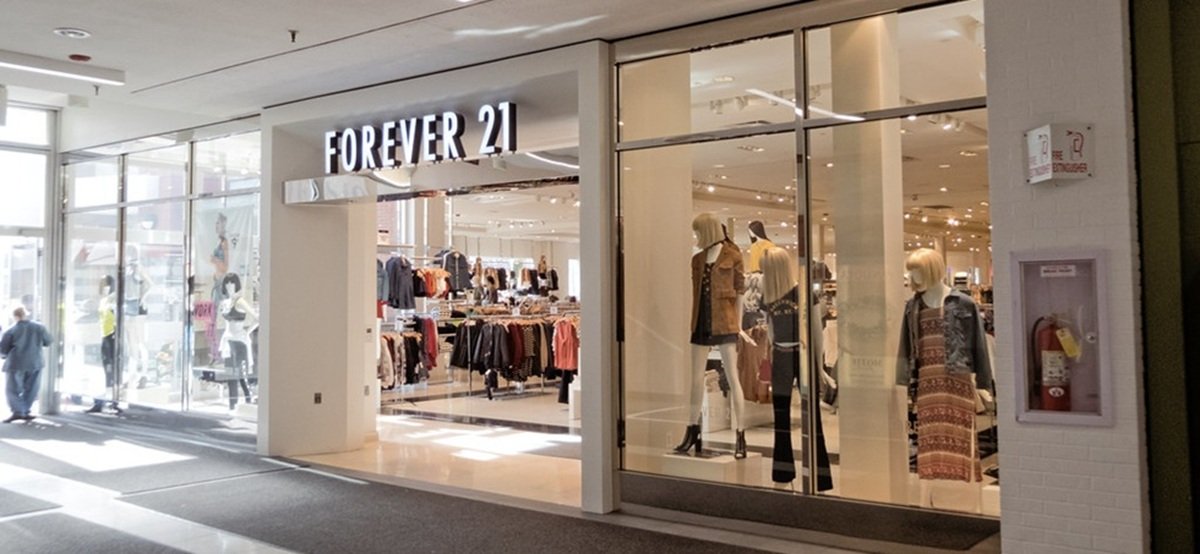


Forever 21 is saying goodbye to its former structure in the United States. Operator F21 OpCo, which managed the brand’s stores in the country, has received the endorsement of the Delaware Bankruptcy Court to move forward with its partial liquidation plan, after filing for Chapter 11 last March. The company will repay part of its debt with suppliers and unsecured creditors, thanks to a settlement agreement with the Sparc Group, the chain’s former owner.
The key to the approved agreement lies in Sparc’s waiver of a $323 million claim, which will significantly increase the return to creditors. Under the new plan, creditors will be able to recover up to 70% of the net proceeds that F21 OpCo obtains during liquidation. The previous alternative, without this waiver, would have left creditors with less than a penny on the dollar.
F21 OpCo, which had been part of the portfolio of Sparc, also owner of Aeropostale and recently merged with JCPenney, was subject to investigation by the unsecured creditors committee. However, the committee concluded that there were no sound legal grounds to challenge the Sparc transaction and opted for a settlement that would allow at least a partial recovery.
Forever 21, the brand, continues to operate under the ownership of Authentic Brands Group
Some suppliers reported that F21 OpCo had solicited discounts and received merchandise shortly before filing for bankruptcy without giving notice of its restructuring. Although the Forever 21 brand continues to operate under Authentic Brands Group ownership, it is not involved in the current liquidation process.
Founded in 1984, Forever 21 was for years one of the benchmarks of youth fast fashion in the United States. However, the rise of digital competitors such as Temu or Shein and the increase in operating costs eroded its business model. The liquidation of F21 OpCo brings to an end a key chapter in the chain’s history and leaves a new sign of the structural adjustment that the youth and high-volume fashion sector is going through in the U.S. market.
Related content
Forever 21 Makes Fourth Bid to Enter China With Local Partner
29 ago 2025 - 06:23

Forever 21 signs former H&M exec as new CEO
26 feb 2020 - 16:04

Forever 21 bought back from bankruptcy by Authentic Brands
20 feb 2020 - 16:23

Forever 21, rescued by its landlords and Authentic Brands
13 feb 2020 - 17:13
Latest news
Swatch Sees 89% Profit Decline in 2025 Amid Tariff Woes and Sluggish Demand
30 ene 2026 - 04:26


Inditex’s Eduard Casabella on Oysho’s Sport Pivot and Growth Through Identity
29 ene 2026 - 18:40

McKinsey’s Gemma D’Auria on Luxury’s Pullback and Fashion’s Resilience in 2026
29 ene 2026 - 18:35