Zara and Sézane Transform Retail: From Shopping Spaces to Home Experiences
Retail journeys from A Coruña to the fashion capitals of Paris and Madrid, embracing a domestic charm to elevate its aspirational appeal. Zara introduces a premium hybrid model, as Sézane celebrates ten years of Parisian elegance.
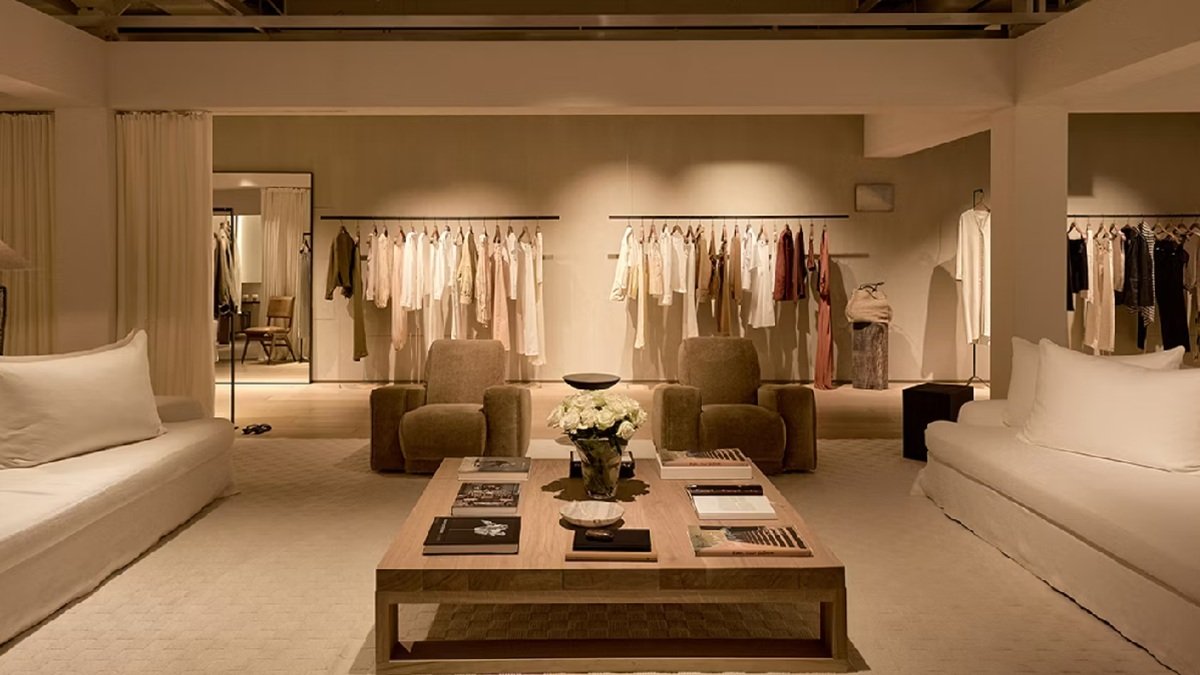

Going up to the fourth floor of the recently renovated Zara store on Serrano Street (Madrid) is now entering another dimension. Where once there were hangers and folded clothes, now coexist designer furniture, luxury decor pieces, exclusive garments or even a corner of Balbisiana coffee that invites you to settle in, between upholstered sofas and a constant flow of tourists, curious and regular customers of the Salamanca neighborhood. Everyone wants to discover El Apartamento, which has become a place of pilgrimage in Madrid shopping for several weeks. Wrapped in a halo of sophistication and elevated positioning, in keeping with the rest of the store redesigned by the A Coruña-based studio Elsa Urquijo Arquitectos, the 400 square meters of floor space display the new concept with which Inditex wants to transform the visit to its flagships into a more aspirational experience.
It is not a new concept, but the hype and expectation created around it is a response to its first landing in the capital. The Spanish company premiered this format in A Coruña in 2023, in its Zara store on Compostela Street, and it was replicated last year in its ephemeral Zara Home boutique on Paris’s rue du Bac. The idea, according to the company, is to walk through the space as one would inhabit a home and reinforce the emotional connection with the brand.
The move is in line with Inditex’s strategy of turning its most emblematic boutiques into spaces of inspiration and not just distribution, a step that is part of the conglomerate’s plan to optimize its commercial network, which involves investing in larger stores in strategic locations. With the Apartmento, Zara crosses the border between fashion and decoration, seeking to attract a customer who not only wants to buy fast, but also to feel part of a lifestyle that dreams of accessible luxury.
The decision is also consistent with the moment retail is going through after the digital boom. The challenge today is to give people a reason to visit physical stores and inhabit their spaces, spending time in them, enjoying experiences or even carrying out activities linked to the universe or lifestyle positioning of the brands.
Zara has opened its third ‘Apartmento’ in its flagship store in Serrano, Madrid
This commitment, however, has an undeniable precedent on the other side of the Pyrenees. Before Inditex installed its first Galician Apartamento, Sézane did the same in Paris. The brand founded by Morgane Sézalory was born in 2013 as the first 100% digital French firm and, from the beginning, built a narrative of community, exclusivity and closeness. Its first experiments with the physical channel took the form, at the time, of ephemeral rendez-vous. The casual Parisian style brand, known for its boho touches and knitwear offerings, pioneered two- or three-day pop-up formats, set up as apartments where customers could discover the collections in an intimate setting.
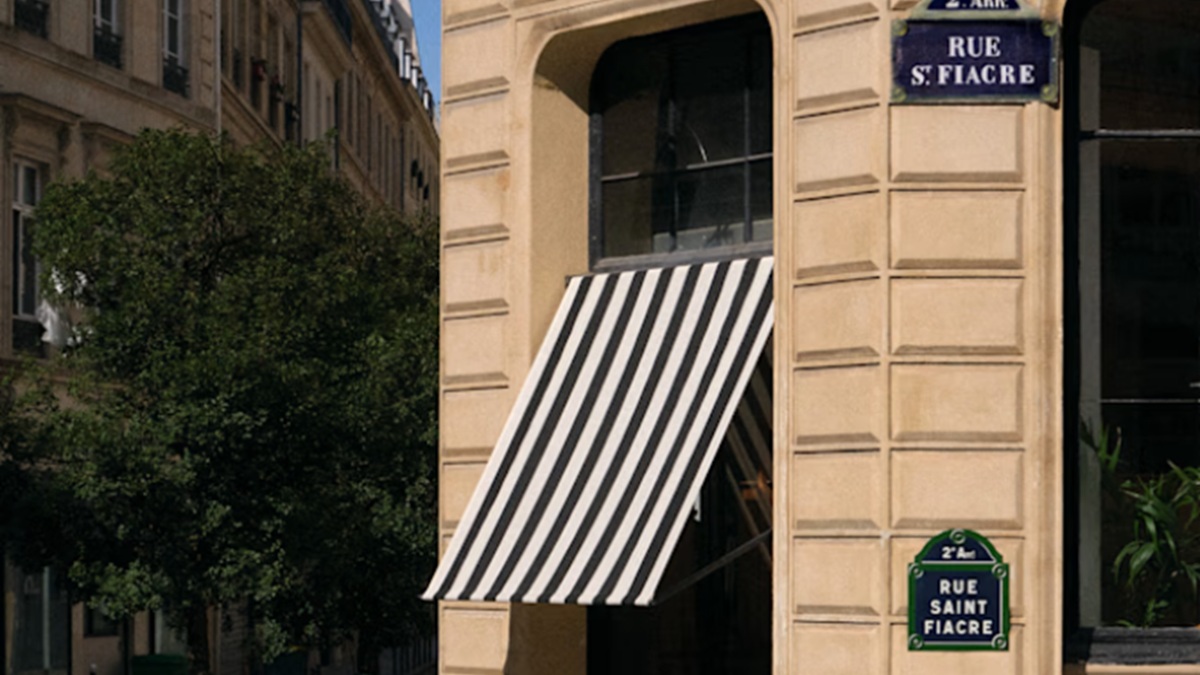
After online success and positive feedback from flirtations with the physical channel, in 2015, Sézane opened its first permanent Appartement on Paris’s rue Saint-Fiacre, a store designed to resemble a Parisian apartment with furniture, flowers, coffee and music. It wasn’t just a boutique, but a place meant to create community, inviting people to linger, talk and, incidentally, buy or pick up orders. With queues around the block, the format was a success and became the cornerstone of the brand’s subsequent international expansion, with its own stores or outlets in department stores.
Today Sézane has Appartements in Paris, Lyon, Bordeaux, Aix-en-Provence, Lille, London, Munich, Brussels, New York, San Francisco or Los Angeles, in addition to a store in Madrid opened in 2024 on Claudio Coello street. Each space maintains the same spirit, a sort of stage to experience the Sézane universe, faithful to the aspirational image of Parisian women for which the brand is most recognized.
Gradually, the Sézalory store’s offer has expanded to include footwear, accessories, complements and even products from other brands such as stationery and decoration. Octobre, the brand’s men’s line, coexists in the catalog, although it also has its own independent stores.
After developing in France, Sézane has taken its format to London, Madrid and New York
The Zara Apartmento shares with Sézane’s, in addition to its name, the vocation of offering an immersive experience that elevates its positioning, fosters community character and prolongs the customer’s time of stay. Both concepts blend product and atmosphere, blurring the line between store and home. However, the approach is different. While Sézane uses the Appartement as an emblem of its identity as a global calling card with which to accelerate its expansion, Zara integrates the Appartement as an aspirational layer in a thoughtful and exclusive way that contrasts with its extensive network of stores.
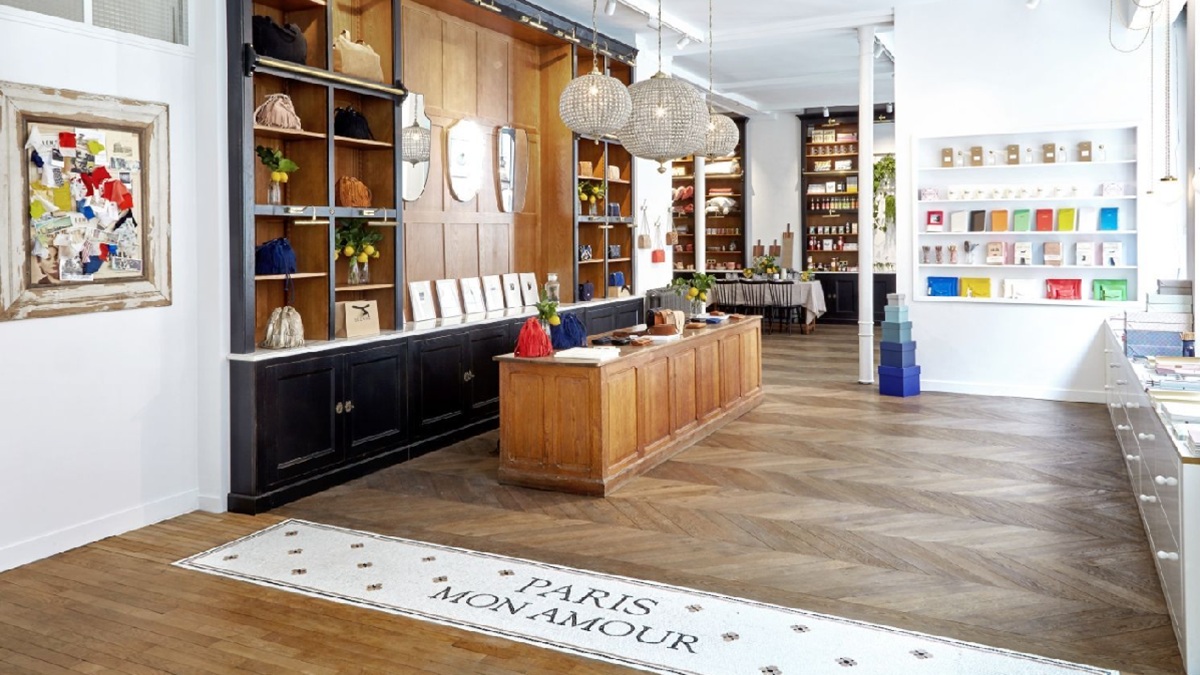
Thus, the challenge for Inditex will be to maintain the coherence of this format, which today has only three spaces between Spain and France, in its large-scale logic. If the Apartamento manages to continue offering a differential product even at a higher price, rotation of collections and new experiences, it could consolidate as a magnet for traffic seeking a more careful shopping experience.
The rise of these concepts, simmered over the last few years, responds to a broader trend linked to the need for physical retail to offer something that the Internet cannot replicate. Transforming the store into a place where the customer feels somehow at home is a way to reinforce the relationship with the brand. Shelves with books, dressed tables and warm lighting are not only scenery to be photographed and uploaded to social networks, but also convey values such as quality, closeness and attention to detail.
These bets reflect the fact that the physical store is no longer a simple transaction point. It is a means of communication, a sensory marketing channel and, in many cases, the piece that decides whether a brand crosses the barrier to become aspirational.
Related content

Inditex Partners with Bain for €65 Million Land Acquisition in Spain
27 ene 2026 - 10:53
Bershka Joins Inditex’s Strategic Expansion into the Mercosur Market
15 ene 2026 - 05:00
Inditex Hits All-Time High on Stock Exchange, Reaches $174 Billion Valuation
12 dic 2025 - 07:43
Latest news
Gordon Brothers Takes Over LK Bennett, Sets Stage for Global Expansion
28 ene 2026 - 12:33
Galeries Lafayette Finalizes Sale of BHV Building Amid Shein Controversy
28 ene 2026 - 12:30
VF Corp’s Q3 Results Shine with 28% Boost as Business Reorganization Unfolds
28 ene 2026 - 08:23
Claire’s Faces Another Setback in the UK with Second Bankruptcy in Six Months
28 ene 2026 - 08:21