Innovative Leap: From Household Cleaning to Culinary Delight in a Nobel Year
In the race for market dominance, businesses are turning to science-driven innovation, centering on rapid response, data analysis, and creative prowess to gain a competitive edge.

Anticipation, sharpness and impeccable execution. These are three factors that the most innovative brands of the moment have in common. From Netflix to Clorox, via KFC, trip.com and ChatGPT. All five demonstrate how to read contexts, nimbly translating consumer behavior into an overall brand strategy. At least that’s what Kantar points out.
According to the study Outstanding Innovation 2025 - Secrets to successful innovators,leading brands do not adapt to change, but rather provoke it. To do this, it is essential to have a broad knowledge of the brand, as well as to encourage curiosity, collaboration and experimentation among the teams.
In this study, Kantar states that a brand is twice as likely to achieve agile growth if it can find new uses for its products. Clorox is a case in point. The Californian company, founded in 1913 and known for its cleaning products such as bleaches and disinfectants, stands out for its Scentiva strategy, which groups products with the same value proposition to generate continuous demand.
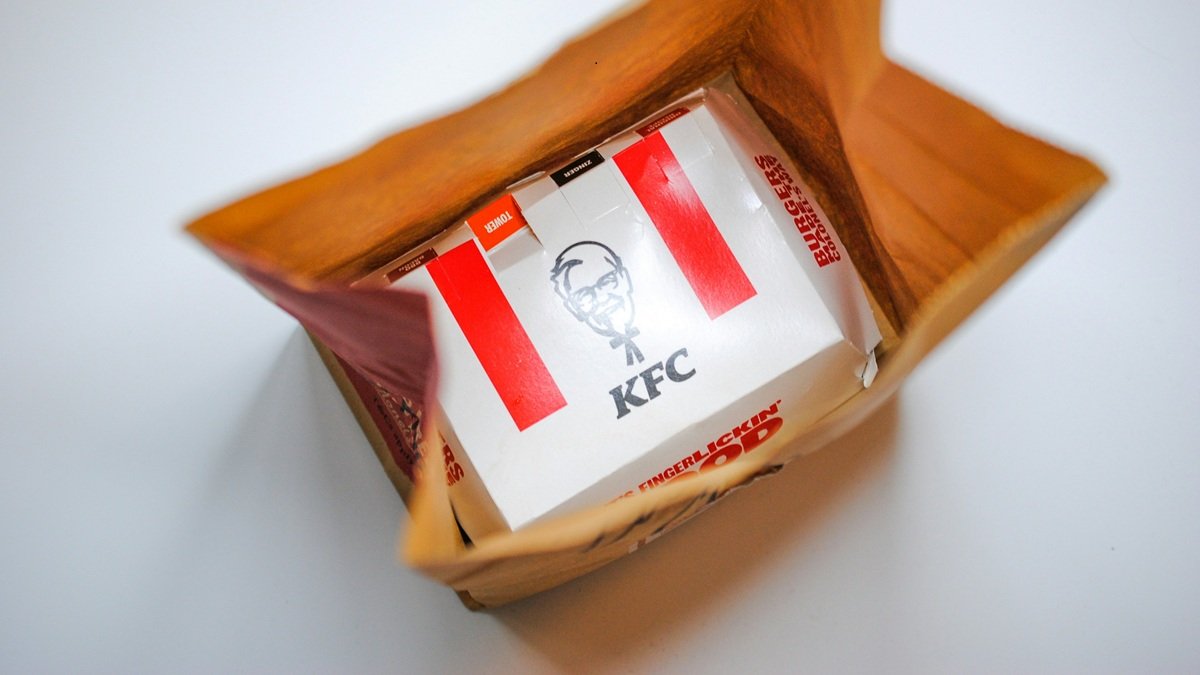
Last year, KFC chose Johannesburg, South Africa, to open its first concept store in Play Braam. There, not only can you eat or take home fried chicken, but there is also a virtual reality space and another space where you can buy apparel such as branded sweatshirts, as well as collaborations with local artists. For Kantar, with this action, the company unleashed its imagination and reinvented the brand experience to attract new audiences.
KFC chose Johannesburg, South Africa, to open its first concept store
Purpose. Brands evolve when they understand what matters to users, today by studying data with the help of Artificial Intelligence. In this sense, before embarking on new projects, trip.com (an online travel agency founded in 1999) ensures that its teams understand the strategy, priorities and needs of its audience.
Netflix is not afraid to experiment. Kantar highlights it for its agility and ability to interpret data to maintain a constantly evolving strategy. To do so, it is driven by AI and interactive narratives.In that sense, the now former CEO of Netflix, Reed Hastings, said in an interview with The Times that “companies rarely die from moving too fast, but they do die from moving too slow.“
Finally, OpenAI, with its relentless ChatGPT, is for Kantar an example of a risk-taking company, as well as for its ability to backtrack if necessary. In recent months, it has included multimodality, voice interaction and real-time navigation. Trial and error: the company backs innovation with investment and training for its teams.
Innovation wins the Nobel Prize
This year, the Swedish Academy of Sciences awarded the Nobel Prize in Economics to Joel Mokyr, Philippe Aghion and Peter Howitt for their explanations of innovation-driven economic growth.
Mokyr demonstrated that, for innovation strategies to take root, it is not only necessary to know that something works, but also to have scientific explanations for why it happens. At this point, his speech stressed the importance of society being open to new ideas and “allowing change”.
Finally, his colleagues Aghion and Howitt have been recognized for promoting a new theory with innovation at its core. Specifically, they have studied the theory of sustained growth through creative destruction, in the sense that when a new product enters the market thanks to it, the older one ceases to make sense and stops selling.
Related content

Estée Lauder’s Global Fragrance Innovation Headquarters to be Based in Paris
14 oct 2025 - 07:04

Gordon Brothers Takes Over LK Bennett, Sets Stage for Global Expansion
28 ene 2026 - 12:33

Galeries Lafayette Finalizes Sale of BHV Building Amid Shein Controversy
28 ene 2026 - 12:30

VF Corp’s Q3 Results Shine with 28% Boost as Business Reorganization Unfolds
28 ene 2026 - 08:23
Latest news
Gordon Brothers Takes Over LK Bennett, Sets Stage for Global Expansion
28 ene 2026 - 12:33
Galeries Lafayette Finalizes Sale of BHV Building Amid Shein Controversy
28 ene 2026 - 12:30
VF Corp’s Q3 Results Shine with 28% Boost as Business Reorganization Unfolds
28 ene 2026 - 08:23
Claire’s Faces Another Setback in the UK with Second Bankruptcy in Six Months
28 ene 2026 - 08:21