Fashion Alliance: India and Saudi Arabia Set Sights on Doubling Fashion Trade
A new trade agreement between India and Saudi Arabia sets the stage for reduced tariffs and mutual cooperation, with the ambition for India to secure a 20% to 25% share of Saudi Arabia’s textile import market.
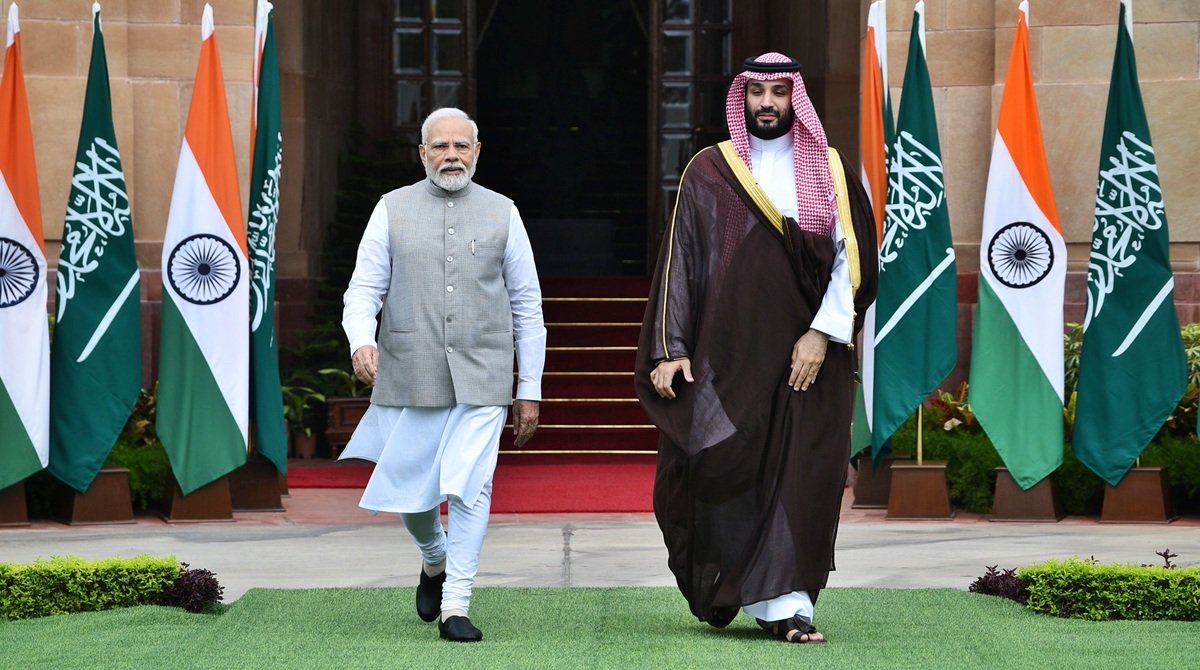

New strategic alliance in the Asian market. India and Saudi Arabia are finalizing the last details to sign an agreement to boost textile trade between the two countries. This alliance, announced by the Indian government’s Ministry of Textiles in early October, will focus on key areas such as investment, sustainability and innovation.
Now, several media in the country have advanced that negotiations are in their final phase, and will mainly include the reduction of tariffs on textile trade between the two countries, as well as different collaboration programs and alliances. The aim is to increase the presence of Indian textile products in the Saudi market to between 20% and 25% of the total.
This figure would double the weight that India has in Saudi Arabia’s textile imports. At the end of 2024, textile sales to the Saudi kingdom reached $517.5 million, 11.2% of total imports. In total, Saudi Arabia bought fashion abroad for a value of 6.270 million, of which 65% corresponds to garments, another 15% to fabrics and 8% to carpets, according to data compiled by Apparel Resources. China remains the main supplier, with a 46% market share.
India expects to account for 25% of Saudi textile imports
The agreement comes at a key moment for both countries. On the one hand, Saudi Arabia is immersed in a long-term strategy to diversify its economy beyond oil. The relationship between the two, in fact, has traditionally been based on energy, and has gradually expanded to sectors such as technology, tourism or industrial collaboration.
India, for its part, a major supplier of ready-made garments, would increase its presence in a fast-growing market, where both purchasing power and retail spending is booming. The agreement coincides with the widening gap between India and the United States, its largest customer, resulting from U.S. tariffs on the Asian country, which stand at 50%.
The two countries’ top leaders, Donald Trump and Nerenda Modi, have not yet sealed a deal to reduce the figure initially imposed in April, unlike many of the other territories in the region. The latest data, in fact, show that Indian exports to the United States fell by as much as 20% in September and 40% in the last four months.
Related content

Global Fiber Leaders: from China to India
5 nov 2025 - 05:00

Italian Fashion Brand OVS Launches in New Delhi Amid India Expansion
15 oct 2025 - 17:34

Myntra Sees Profit Skyrocket Beyond $50 Million During Fashion Frenzy in India
16 sep 2025 - 07:10
Latest news

Birkenstock projects double-digit growth through 2028 with renewed strategy
29 ene 2026 - 11:16

Levi Strauss Boosts Profitability: Dodges Tariff Impact and Triples Earnings
29 ene 2026 - 11:15

H&M keeps its finger on the pulse and earns 4.6% more at fiscal year-end
29 ene 2026 - 11:10

Gordon Brothers Takes Over LK Bennett, Sets Stage for Global Expansion
28 ene 2026 - 12:33