

Persson Family Strengthens Control of H&M, Fueling Rumors of a Potential Delisting
H&M is facing new privatization rumors after the Persson family, the founder of the fashion group, bought shares that already control more than 64% of the company, and is triggering bets on an eventual farewell to the Swedish stock market.
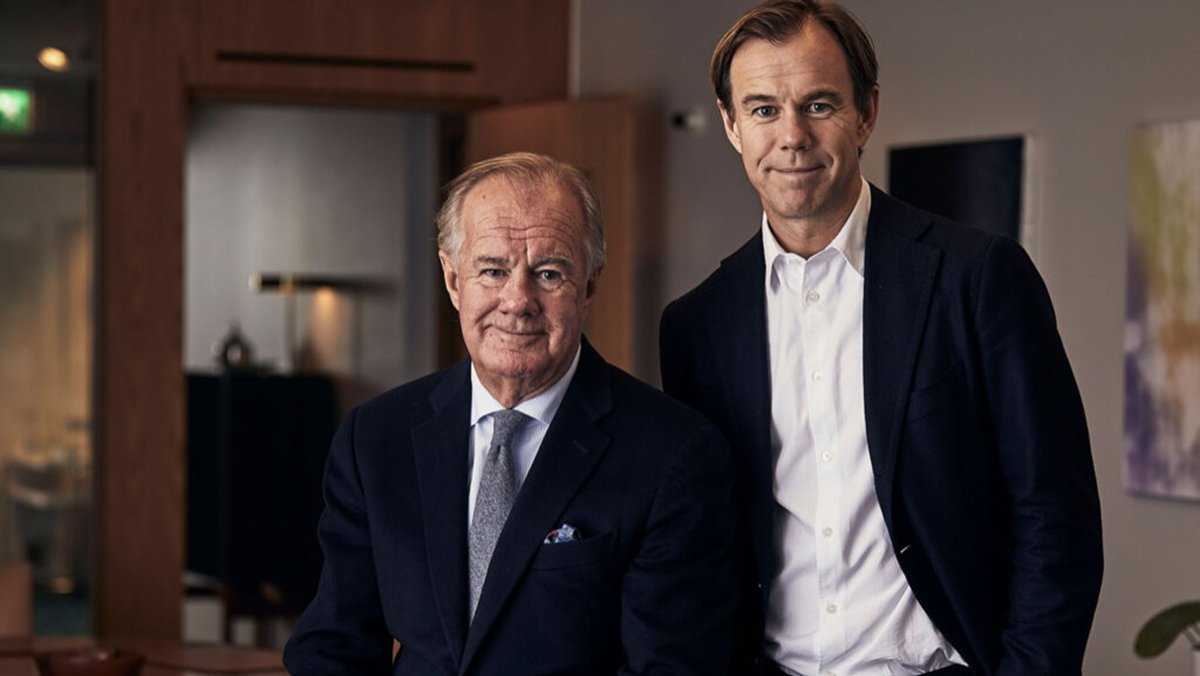


H&M’s founding saga is making another move. The family hólding Ramsbury Invest, owned by the Persson family, has stepped up its purchases of shares in the Swedish group in the first half of 2025, strengthening its control over the company and sparking speculation about a possible delisting operation in the medium term.
According to the latest records from the Swedish Financial Supervisory Authority, Ramsbury Invest acquired 42.75 million H&M shares in the first half of the year, with the latest transaction reported on Monday. The figure implies a higher purchase velocity than in 2024, when the Persson family bought 56.85 million shares over twelve months, and also higher than the 55.65 million in the 2023 financial year.
At the end of May, the Persson family and its related companies controlled more than 64% of H&M’s capital, according to corporate data. This reinforcement of its stake strengthens the family’s ability to reinvest dividends to further accumulate shares. “The more shares owned, the higher the dividend to reinvest, which makes it easier to accelerate purchases,“ Adam Cochrane, an analyst at Deutsche Bank, who anticipates an IPO around 2030, told Reuters.
According to the agency, H&M has declined to answer questions about the shareholder movements and referred to a Ramsbury Invest spokesperson, who avoided commenting on both the acquisition strategy and the hypothesis of an eventual take-private. However, the family’s move has not gone unnoticed by the Swedish markets, where there is already speculation about the steps needed to buy the remaining 36% of the shares.
H&M faces rumors about its possible privatization
The Persson family, despite its ample liquidity, would probably have to seek external financing or strategic allies to cover the entire transaction, given H&M’s capitalization of around SEK 187 billion (about $23.3 billion).
The stock market context does not play in favor of the group either. The company’s shares accumulate a decline of nearly 9% so far this year, penalized by the slowdown in consumption, the tightening of tariffs and the volatility experienced by global trade. Sector analysts point out that the interest rate environment, together with the fragmentation of demand and geopolitical tensions, is favoring the withdrawal of retail giants from the stock market in order to be able to pilot transformations in a more agile way and without the pressure of the public markets.
“We see more likelihood of privatization moves in listed retailers, given tariff impacts and macroeconomic instability,“ investment banking sources told Reuters. The Persson family thus joins a broader trend that experts say could intensify if global regulatory and political challenges persist.
Founded in 1947 by Erling Persson, H&M has always been under the family umbrella. Stefan Persson, the founder’s son, took over as CEO in 1982 and led the company for 27 years until 2009, when he handed over to Karl-Johan Persson. In 2020, for the first time in its history, the company brought in an external CEO, while Karl-Johan became chairman of the group.
This legacy of family control reinforces the thesis that the family, with a track record of long-term decisions and stable capital, may consider buying back the floating stake and returning management to the purely private sphere. For now, however, Ramsbury Invest remains silent.
In the first six months of the current financial year (December to May), the Swedish group posted sales of 112,047 billion Swedish kronor ($11,943 billion euros), a decline of 1% compared to the same period last year. Meanwhile, H&M’s profit fell by 27.8% to SEK 4,541 billion ($484 million).
Related content

H&M Founding Family Raises Stake to 70% as Ownership Consolidates
6 jun 2025 - 15:08

H&M and Circulose Strengthen Partnership With New Long-Term Purchase Agreement
27 jun 2025 - 06:54
H&M Struggles Persist: Earnings Down 28% Amid Soft First-Half Sales
26 jun 2025 - 07:28

H&M Inches Into Premium Territory With Kidswear Focus, Galeries Lafayette Tie-Up
13 jun 2025 - 05:00
Latest news
Aeffe Restructures: 221 Layoffs Announced Ahead of Holiday Season
5 dic 2025 - 17:11


Victoria’s Secret Surges Ahead in Q3: Revenue Up 9%, Losses Down 43%
5 dic 2025 - 13:43

Estée Lauder Bolsters Portfolio with Fresh Brands Amid Business Overhaul
5 dic 2025 - 13:31


