Yvon Chouinard: New Chapter for Patagonia’s Iconic Leader
In a groundbreaking move, the marketing genius at the helm of the outdoor fashion empire has shifted the $3 billion company into a trust and a non-profit organization focused on environmental initiatives.
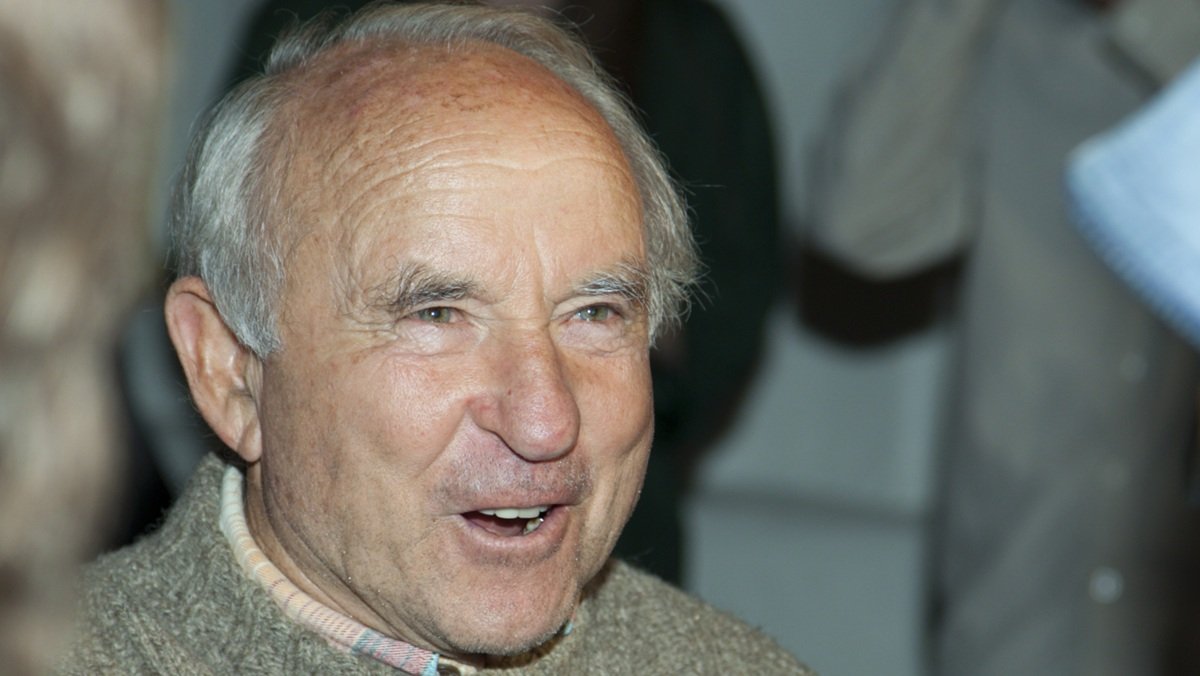

“Take me off that list! I hate that list!”, Yvon Chouinard shouted in his office the day that, in 2017, Forbes included his name among the richest in the world. The founder of Patagonia, who justified himself by saying he didn’t have a billion dollars in the bank or drive a Lexus, turned the world upside down in 2022 when he announced that he was transferring the capital of the company, valued at $3.3 billion, to a trust and a non-profit organization to ensure that the profits (about $100 million a year) would go to environmental causes. The Earth is now our sole shareholder,“ Yvon Chouinard said at the time.
The figure of the climber, who became an entrepreneur despite his negative view of capitalism, is now revealed as that of a complex leader who disappeared for months and whose flaws Patagonia has inherited in David Gelles’ latest biography, Dirtbag Billionaire. The text brings to the table the incongruities of his model: is it compatible to want to sell more jackets with reducing fashion consumption in order to take care of the environment? It is perhaps the first time that Chouinard does not control the discourse.
Dirtbag was the nickname given to the hippies who, in the 1960s, took to Mount Yosemite to climb in solitude and spend the night outdoors. Chouinard was one of those dirtbags: in climbing he found a community that welcomed him. Born in 1938 in a French-Canadian community in Maine, USA, to a father who was a handyman, mechanic and plumber, he moved with his family to California in 1947, where his connection to nature grew.
To save money and to be able to adapt parts, in 1957 he bought a second-hand coal forge to make steel nails for climbing in Yosemite. In his spare time between surfing and climbing, he sold the nails out of the trunk of his car, which eventually gave rise to Chouinard Equipment. In the 1970s, with more than half of the revenue coming from steel pitons, Chouinard and his partner, Tom Frost, cut production of these tools when they realized they were damaging the mountain. Chouinard and Frost introduced new climbing methods that impacted the sport, but not the business: in 1989, Chouinard Equipment filed for bankruptcy.
In 1974 he founded Patagonia, based in Ventura, with a mission to create clothing for people living in conditions as harsh as those in the Andes. The garments incorporated all sorts of technical and material innovations, but they also changed the way climbing clothing was conceived. Patagonia moved away from ocher to incorporate fluorescent colors, taking its garments out of the mountains and into the city.
Patagonia not only managed to differentiate itself from its competitors (which included companies like The North Face) through its product, but also did so with a higher purpose: In the 1980s it pledged to donate part of its profits to environmental stewardship, in the 1990s it analyzed the impact of its raw materials and committed to using only organic fibers, and it sought to be the best place for its employees to work. And, all of this, it let everyone know.
In 2005, Chouinard published his memoirs, in which he unpacked his vision of capitalism. In 2011, he paid for a full page in the New York Times with the Don’t Buy This Jacket claim to coincide with the Black Friday campaign. In 2016, he promoted a platform for private-to-private sales of second-hand Patagonia clothing. And in 2017, he denounced Donald Trump for reducing protected land in a Utah national park. Not bad for a man who prefers climbing to doing business, but who has emerged as a marketing genius.
Related content
Birkenstock projects double-digit growth through 2028 with renewed strategy
29 ene 2026 - 11:16

Levi Strauss Boosts Profitability: Dodges Tariff Impact and Triples Earnings
29 ene 2026 - 11:15
H&M keeps its finger on the pulse and earns 4.6% more at fiscal year-end
29 ene 2026 - 11:10
Gordon Brothers Takes Over LK Bennett, Sets Stage for Global Expansion
28 ene 2026 - 12:33
Latest news
Birkenstock projects double-digit growth through 2028 with renewed strategy
29 ene 2026 - 11:16
Levi Strauss Boosts Profitability: Dodges Tariff Impact and Triples Earnings
29 ene 2026 - 11:15
H&M keeps its finger on the pulse and earns 4.6% more at fiscal year-end
29 ene 2026 - 11:10
Gordon Brothers Takes Over LK Bennett, Sets Stage for Global Expansion
28 ene 2026 - 12:33