Affordable T-Shirts Outperform Luxury in Durability, Study Finds
A recent university study reveals that high-priced garments often fall short in durability when compared to more affordable options. The longest-lasting pieces are those made with synthetic fibers.
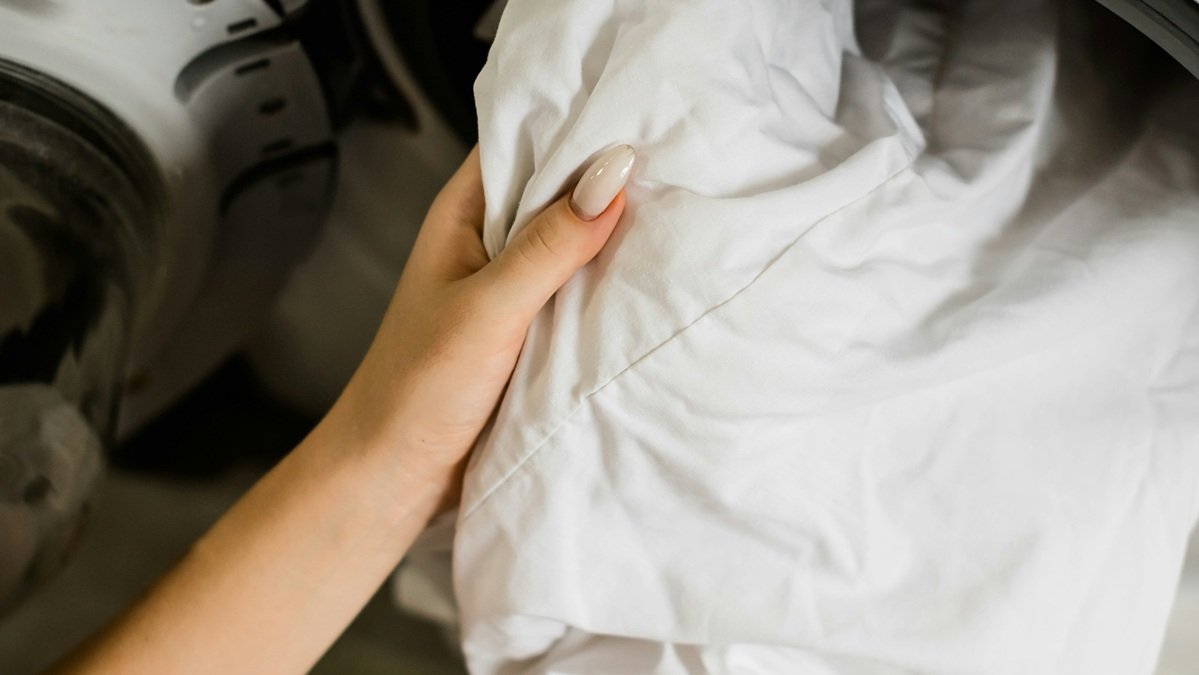


Price does not determine the durability of clothing. This is the main conclusion of a study conducted by the Institute of Textiles and Colour (Litac) at the University of Leeds, together with the environmental organization Wrap, which argues that “spending more money does not guarantee that the garment will be more resistant.
Of those studied, six of the ten best-performing T-shirts cost less than 15 pounds (almost $20), beating many more expensive ones, including the most expensive, which cost 395 pounds ($522.6). According to the study, the most durable T-shirts tend to have a percentage of synthetic fibers in their composition, such as polyester, polyamide and elastane.
The study reaffirmed that cotton T-shirts tend to shrink more than synthetic T-shirts, which can be aggravated by the use of the dryer. Despite this conclusion, the study also affirmed that well-designed 100% cotton T-shirts can be “good value for money,“ as four of the top ten garments were made entirely of cotton.
Of the ten best-performing T-shirts, six cost less than 15 pounds and outperformed the most expensive ones
To carry out the study, 47 T-shirts from UK clothing brands, including luxury items, were assessed for their durability. They were washed on standard cycles and tumble-dried, and rated according to their physical response: the formation of damage, discoloration, shrinkage and overall appearance.
The study notes that in the UK alone , 711,000 tons of textile waste was produced and sent to landfill or incinerators. By 2030, global clothing consumption is expected to increase by 63% to 102 million tons, which will further increase the textile waste stream.
According to the university, the average person buys around 28 new garments a year, which is equivalent to eight kilograms. In addition, it states that a quarter of the closet remains unused for more than a year. In this regard, the experts advocate “designing for durability” as the key to the industry adopting a more sustainable approach, and argue that this can be achieved without being unaffordable for consumers.
Related content

Moncler Recognized as Fashion’s Global Sustainability Leader in New Report
26 jun 2025 - 15:08

Birkenstock projects double-digit growth through 2028 with renewed strategy
29 ene 2026 - 11:16

Levi Strauss Boosts Profitability: Dodges Tariff Impact and Triples Earnings
29 ene 2026 - 11:15
H&M keeps its finger on the pulse and earns 4.6% more at fiscal year-end
29 ene 2026 - 11:10
Latest news
Birkenstock projects double-digit growth through 2028 with renewed strategy
29 ene 2026 - 11:16
Levi Strauss Boosts Profitability: Dodges Tariff Impact and Triples Earnings
29 ene 2026 - 11:15
H&M keeps its finger on the pulse and earns 4.6% more at fiscal year-end
29 ene 2026 - 11:10
Gordon Brothers Takes Over LK Bennett, Sets Stage for Global Expansion
28 ene 2026 - 12:33