

G-III Exceeds Projections During the End of Calvin Klein and Tommy Hilfiger Licensing Deals
The American company wrapped up its third quarter with a net profit of $80.6 million, sales reaching $988.6 million, and achieved a 95% debt reduction, marking the approval of its first-ever dividend.
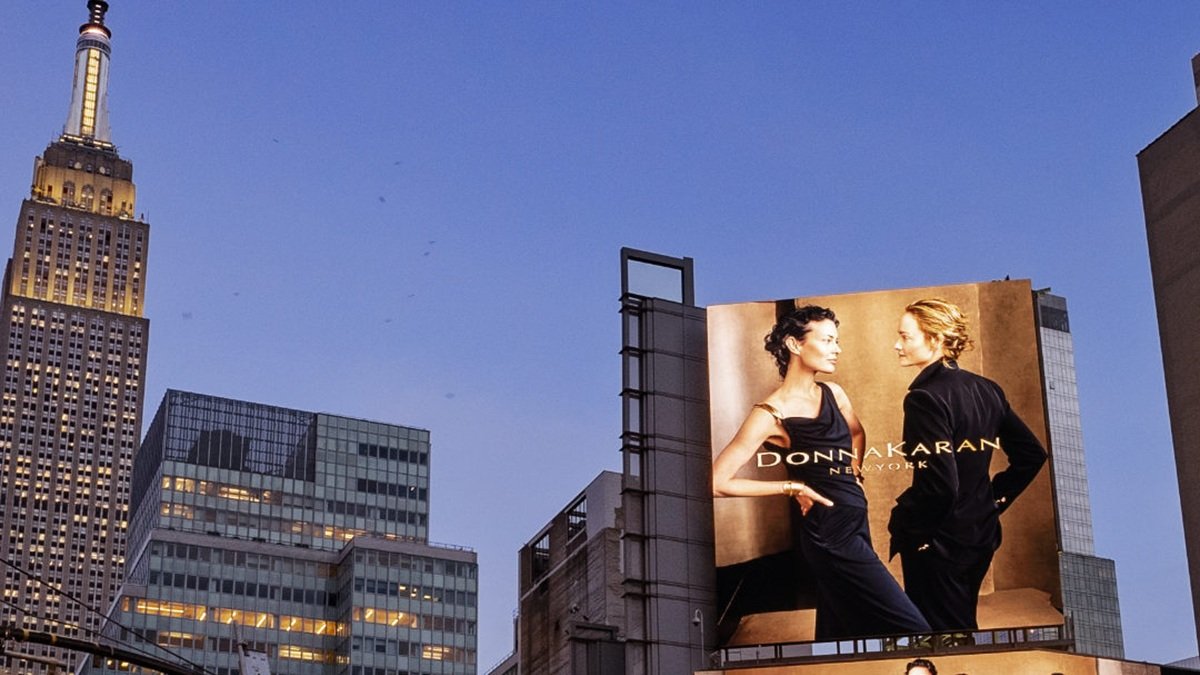


G-III Apparel Group is making progress in its turnaround strategy. In a quarter still marked by the gradual exit of the Calvin Klein and Tommy Hilfiger licensed businesses, which are returning to PVH Corp, net profit was down 29.8% to $80.6 million, but the group beat market forecasts and cleaned up its balance sheet with a 95% reduction in debt compared to the previous year.
Adjusted earnings per share came in at $1.90, compared to the $1.61 anticipated by analysts. The result includes a negative impact of $2.4 million in fees related to a “potential strategic opportunity” that did not materialize. According to sources quoted by the U.S. media WWD, these costs would be linked to the group’s interest in taking over part of the Marc Jacobs business if the negotiation between LVMH and Authentic Brands Group had been successful.
The group’s net sales in the quarter ended October 31st fell 9% to $988.6 million, in line with the decline in the licensing business with PVH. At their peak, the Calvin Klein and Tommy Hilfiger activities accounted for more than $1.5 billion in annual wholesale sales. This year they will hover around $800 million and are on their way out. G-III has already replaced about 70% of that volume.
To offset the exit of these brands, the company has supported its growth with assets acquired from LVMH in 2016. DKNY has become the group’s largest and most important business, boosted by a marketing campaign with model Hailey Bieber as its face. Donna Karan, more high-end oriented, has gone in less than two years from being in the background to having some 1,700 wholesale outlets, with another 200 planned for spring.
G-III is reeling from the impact of the end of Calvin Klein and Tommy Hilfiger licenses
According to the same media, G-III expects Donna Karan to grow 40% this year, with accessories gaining weight and average prices close to $500. Morris Goldfarb, president and CEO of the group, has celebrated that the brand has “exceeded expectations” for a business relaunched less than two years ago, thanks to working with the archives and rapid product development and sourcing.
Karl Lagerfeld, also owned by G-III, has been consolidating its position since the designer’s death in 2019. Goldfarb has noted that business has probably doubled in the past six years and that the company has avoided abrupt changes to the brand’s DNA, moving away from the luxury house codesChanel and Fendi.
The group also maintains a relevant licensing business with Converse, Champion, Levi’s, Bcbg and other brands, while its own retail network is, in the words of the executive, “one minute away from profitability”. Once the model has been adjusted, G-III assures that it has the investment capacity to rapidly increase its number of stores.
Following its third quarter performance, the company has raised its guidance for the full year. The gross impact of tariffs for the year is estimated at $135 million, of which some $65 million has been offset by supplier participation, sourcing changes and selective price increases.
Goldfarb has advanced that the group is close to signing a new license and has resources available to make acquisitions and invest in systems. The board approved a quarterly dividend, the first in G-III’s history, a decision that the executive interpreted as a sign of “comfort and strength” to the market.
Related content

G-III: The Industrial Powerhouse With a Voracious Appetite for Acquisitions
15 abr 2025 - 05:00
G-III Secures North American License for London-Based French Connection
26 ene 2026 - 10:54

Farewell to Romualda: The End of Almeria’s Iconic XXL Hats
26 ene 2026 - 05:00
Latest news
G-III Secures North American License for London-Based French Connection
26 ene 2026 - 10:54
Farewell to Romualda: The End of Almeria’s Iconic XXL Hats
26 ene 2026 - 05:00
Guess Goes Private: Authentic Brands Secures Majority Stake in Iconic Label
23 ene 2026 - 12:27

Apparel and Footwear Declines Hit China’s Fashion Export Market by 2025
23 ene 2026 - 08:30


