From Subculture to Mainstream: The Evolution of Streetwear’s ‘Crocodiles’
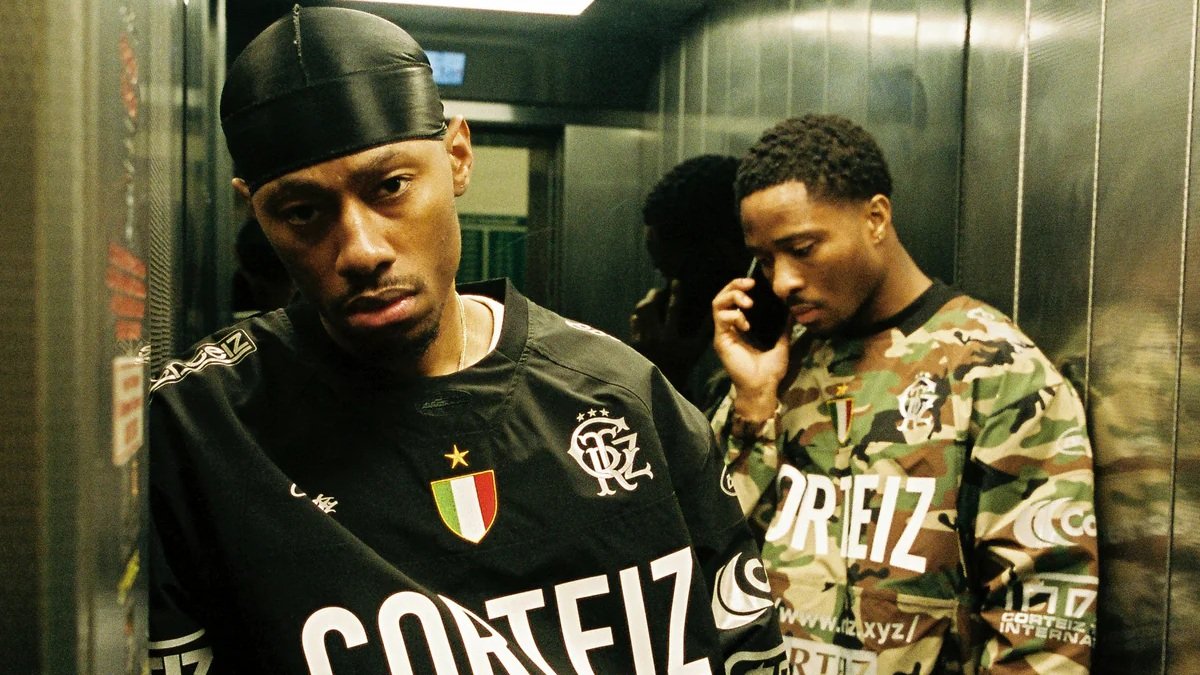
Emerging labels like Corteiz, Fivefourfive, SP5der, and Nude Project are paving their way alongside streetwear titans such as Human Made and Supreme, drawing the gaze of seasoned fashion conglomerates eager to tap into the pulse of the next-gen community.


If you see a crocodile, react and run. Also in business. When you detect a threat, move fast and start adapting or the reptile will eat you. In the fashion industry, trends come and go, with longer or shorter cycles, and if a brand does not react in time, it is out of the market. The IPO of Human Made’s brand represents the beginning of the maturity of the streetwear boom, a wave that reached its peak with Supreme’s collaboration with Louis Vuitton and has been joined by hundreds of brands that, by dint of drops and community, have conquered the younger generations.
On November 27yh, the Japanese brand Human Made became the first streetwear brand to be listed on the Tokyo Stock Exchange and one of the first to do so on any stock market, with the permission of the Canadian Groupe Dynamite, which went public at the end of 2024.
Behind Human Made, which raised 17.8 billion yen (more than $100 million) in its IPO, are Japanese creative, DJ and producer Tomoaki Nagao (Nigo) and singer Pharrell Williams, its second largest shareholder. The brand, which has developed an imaginary and a community that allows it to sell everything from clothing to mugs, closed the last fiscal year with sales of more than 11.2 billion yen ($67 million).
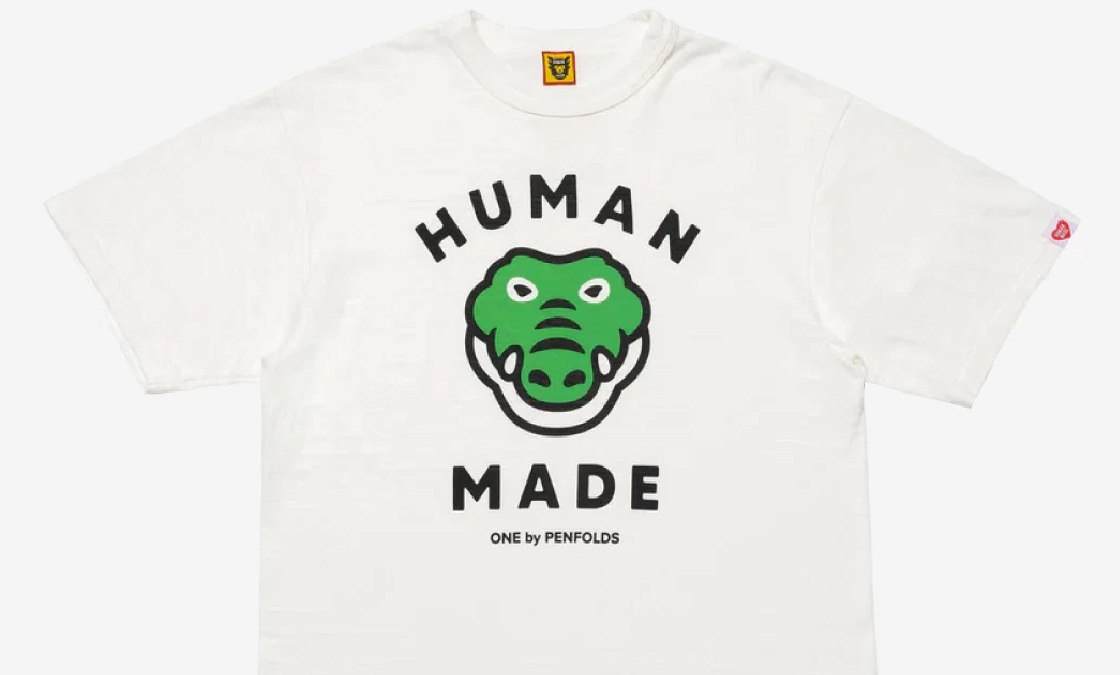
Unlike other urban fashion firms, Human Made is backed by experience and a long track record: Nigo, who three decades ago launched the brand A Bathing Ape (Bape, which he ended up selling to IT Limited in 2010), has been creative director of Kenzo since 2021 and Pharell Williams is the men’s creative director of Louis Vuitton.
Louis Vuitton teamed up with streetwear brand Supreme and, a year later, hired its founder, Virgil Abloh
The origins of streetwear can be traced back to the streets of New York and Los Angeles in the 1970s and 1980s, as a niche movement with hip hop artists, skateboarders and graffiti artists as protagonists, dressed in oversized sweatshirts, sneakers and caps. Stüssy, founded in 1979 as a surfboard manufacturer, is considered the forerunner of streetwear.
This subculture-turned-lifestyle soon caught the attention of major fashion groups, including luxury, which brought it into the fashion system by dint of collaborations. The crowning moment came in 2017 when Louis Vuitton teamed up with streetwear brand Supreme and, a year later, hired its founder, Virgil Abloh.
A cocktail of factors has caused the fever of collaborations between niche firms and fashion giants to relax, with pandemic, the loss of the importance of logos and the rise of quiet luxury as some ingredients. Despite this, across the world and in a similar movement in all countries, a new generation of streetwear brands has emerged that connect with the younger generation.
Founded less than a decade ago, with a language that connects directly with generation Z, creating community with social networks as the main tool and launching their product in drops to generate a sense of scarcity, the new wave of streetwear has created a generation of cult brands among the youngest.
But maturity comes even to the youngest brands, which are looking for ways to reinvent themselves and avoid the crocodiles that threaten to prick a bubble that is global.
Europe, in the heat of Corteiz, Cole Buxton, Fivefourfive, Reternity and Suspicious Antwerp
United Kingdom was the scene of the birth of a brand that, according to local media, dominates the streetwear market in the country. British designer and creative Clint419 launched Corteiz in 2017, rejecting the traditional marketing and seasonality strategies of the sector and betting on surprise drops, secret codes and last-minute leaked locations to discover his new products. By creating a community fanatical about its hype, the brand has managed to collaborate with industry giants like Nike, with whom it launched the Air Max 95 Corteiz Lurker in 2023.
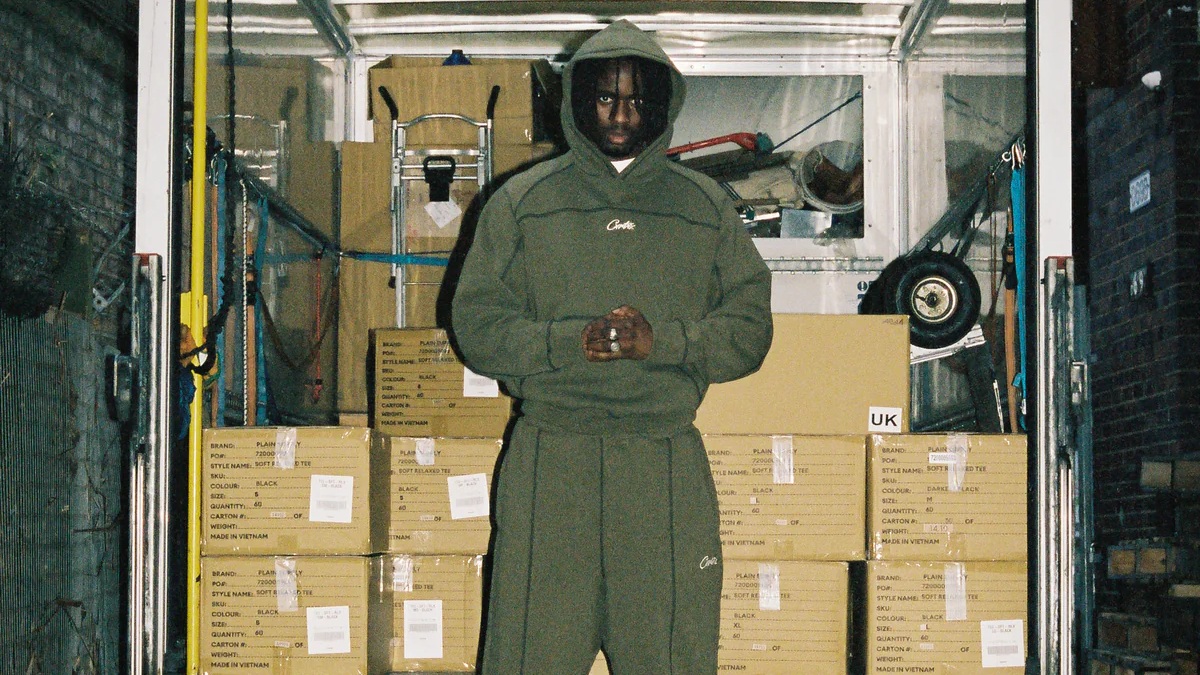
But Corteiz wasn’t the first (nor the last) British brand to arrive with the wave of urban culture globally. In 2014, British designer and architect Cole Buxton took his first steps in founding his eponymous brand. With roots in London’s performance sportswear culture, Buxton built his brand identity around modern athletic minimalism, with inspiration from vintage garments.
Fivefourfive combined the aesthetics of the American movement with Italian tailoring to achieve a collaboration with Golden Goose
On the European scene, streetwear spread with such popularity that there is no country without its own crop of urban fashion brands. Fivefourfive took off in Italy founded by Italian influencer Luca Santeramo in 2020. The startup took its first steps with items “one hundred percent made in Italy” at an affordable price. Its aesthetic, based on American urban culture with Italian tailoring, has brought it to the attention of other companies in the sector, such as the Spanish company Nude Project, with whom it collaborated last year. In their home market they have also made a splash: Golden Goose launched five sneakers in collaboration with Fivefourfive last November.
Germany is not far behind. Tom Schmidt and Lauren Riedel, founded their own urban fashion project in 2018. Reternity, which started as homemade T-shirts printed from their bedroom, has grown into one of the leading brands with production in Europe and global ambitions. “In our first round of orders, Reternity had only four customers on its roster, now we have twenty stores spread all over the world,“ the German brand says on its website.
Nude Project has expanded internationally and now has its own stores in the United States
In the Netherlands, Philipe Libert and Frederik Janssens were university students when they launched their first Suspicious Antwerp drop in 2017. Collections at the most unexpected time, limited series and marketing through influencers catapulted the company to international expansion. In 2021, it managed to collaborate with the Tomorrowland festival, with whom it designed a limited collection.
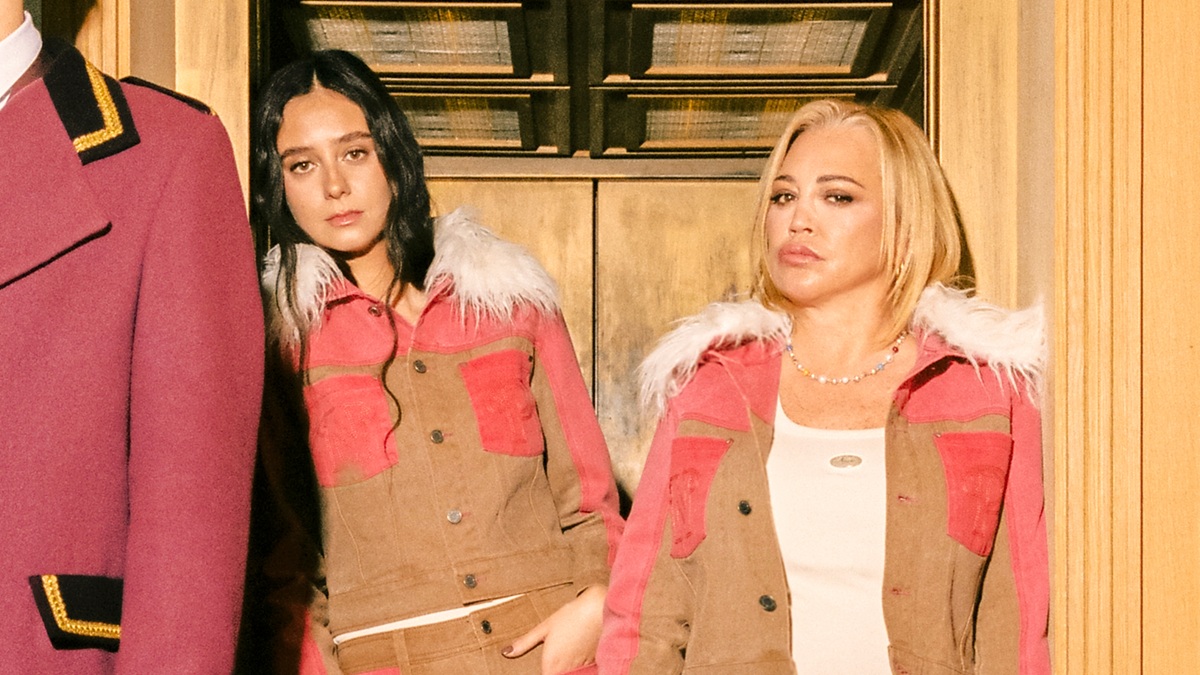
Spain has also been filled with new strategies, viral videos and communities capable of buying anything their star brand sells them. Names like Nude Project, Scuffers, Eme Studios or Cold Culture are the mainstream of the conversation. The company that is positioned in the top 1 of the national market was founded by Álex Benlloch and Bruno Casanovas in 2019. Nude Project has expanded internationally to reach its own points of sale in Miami, Amsterdam, Lisbon, Milan, Madrid and Barcelona, in a year marked by the company’s growth through retail.
The American continent, between the origin of SP5der and the reggaeton of Undergold
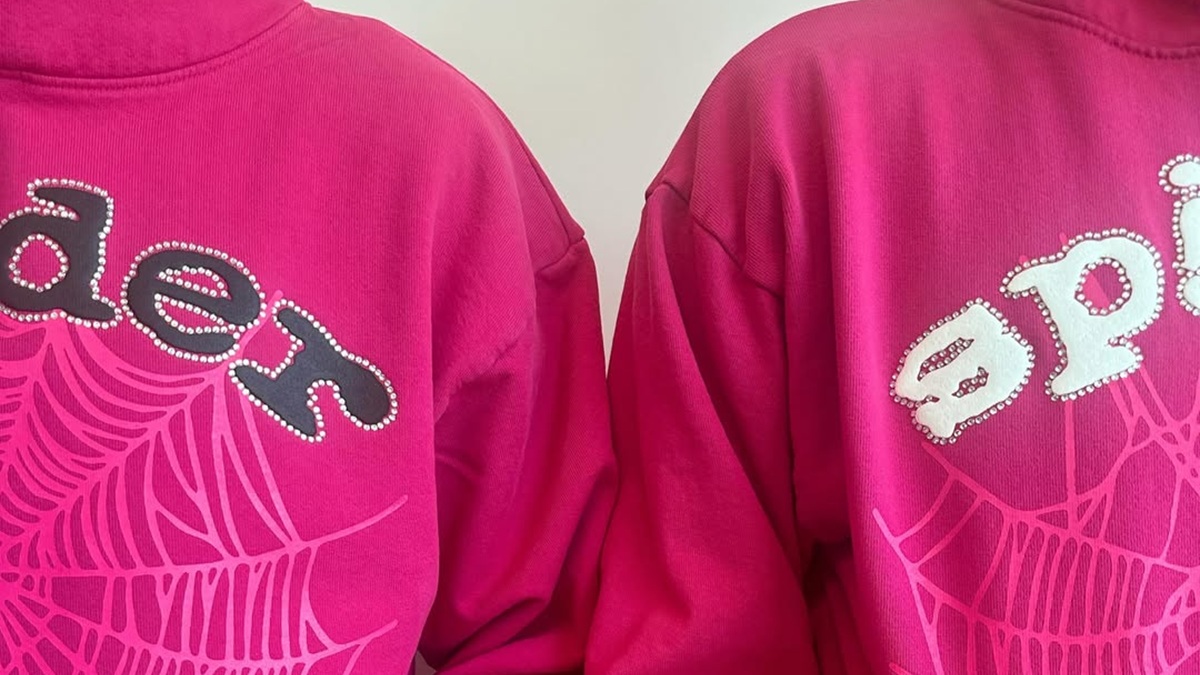
In the United States, the core where the streetwear movement originated, SP5der was founded in 2019. Eye-catching designs, spider web graphics, oversize silhouettes, bright colors, bold prints and an aesthetic immersed in hip hop culture have managed to attract the attention of more than 670,000 users, who make up the brand’s community on social networks.
Although the origin of the urban movement comes from hip hop, in Latin America it has been reggaeton that has driven brands such as Sixxta or Undergold. Industry personalities such as JBalvin popularized Undergold’s garments, generating a peak of attention that allowed the brand to expand its presence in the country. Headquartered in Medellin and led by the Bermudez brothers, the streetwear brand is preparing to open its first store in Puerto Rico, while looking for growth opportunities in Spain, Miami and Mexico. Sixxta, specializing in women’s fashion and founded seven years ago by Mayra Gómez, launched in mid-November what will be its first store outside Colombia, located in Barcelona.
Related content


Guess Goes Private: Authentic Brands Secures Majority Stake in Iconic Label
23 ene 2026 - 12:27

Apparel and Footwear Declines Hit China’s Fashion Export Market by 2025
23 ene 2026 - 08:30

Adidas, Nike, and Under Armour Drive El Corte Inglés’ Department Store Makeover
23 ene 2026 - 08:07
Latest news
Guess Goes Private: Authentic Brands Secures Majority Stake in Iconic Label
23 ene 2026 - 12:27
Apparel and Footwear Declines Hit China’s Fashion Export Market by 2025
23 ene 2026 - 08:30
Adidas, Nike, and Under Armour Drive El Corte Inglés’ Department Store Makeover
23 ene 2026 - 08:07