

Mulberry Leverages Shareholder Support to Fund Transformation After 21% Sales Drop
The British company has announced a capital increase through the issuance of £20 million in convertible bonds, backed by Challice and Frasers Group, following a decline in sales and margins last year.
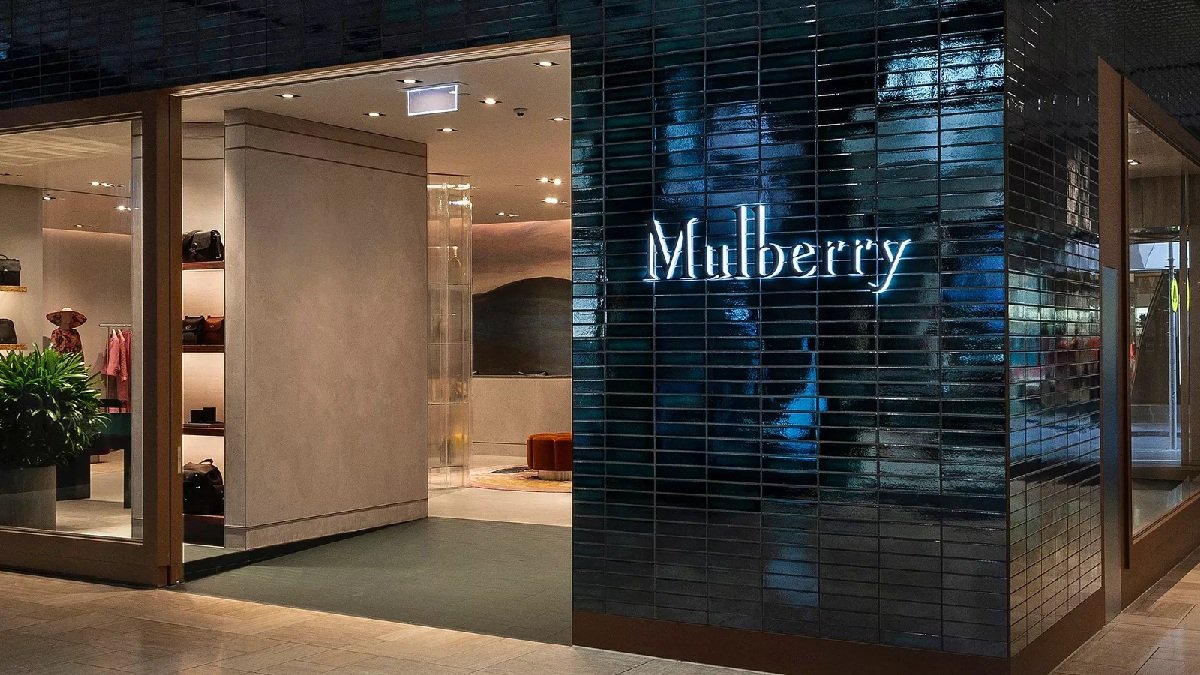


Mulberry is not turning its business around, but is accelerating its transformation. The British luxury company has closed the fiscal year 2025 (ended last March 29) with a 21% drop in sales, to 120.4 million pounds ($163,5 million). In parallel, the company has strengthened its balance sheet with a £20 million capital increase by its two main shareholders, Challice Limited and Frasers Group, and has launched an additional retail offering of up to 1.2 million pounds ($1.6 million).
The company reported a pre-tax loss of 31.8 million pounds, compared to 34.1 million pounds in the previous year. Profitability was also impacted by the macroeconomic environment, inflation and an inventory optimization campaign that reduced margins from 70.1% to 66.8% during the year due to increased promotional activity and markdowns.
“The environment remains complex, but we have laid the groundwork for a return to profitability,“ said Andrea Baldo, CEO, who has been leading the company’s new strategy, dubbed Back to the Mulberry Spirit, since September.
In the first nine weeks of the 2026 financial year, up to June 1, Mulberry’s turnover fell by 18% compared to the same period last year. However, the company highlighted an improvement in full-price sales and a positive development of its own online channel. Comparable sales were down 5% and the store optimization and discount reduction plan is expected to generate an additional improvement of 2 million pounds ($2.7 million).
Mulberry faces its new phase under a new strategy and perimeter adjustment
According to the company, the capital increase has been implemented through the issuance of convertible bonds worth 20 million pounds ($27.1 million), fully subscribed by Challice Limited, with 56.4% of the capital, and Frasers Group, with 37.1%. The conversion is subject to approval at a general meeting on July 30.
To protect minority shareholders against dilution, Mulberry has also launched a retail offer of up to 1.2 million pounds ($1.6 million), which would enable 1.26 million new shares to be issued at a price of 0.975 pounds per share.
The company had already strengthened its balance sheet at the end of 2024 with another 10 million pounds ($13.5 million) increase, also backed by its main partners. With the new resources, Mulberry plans to invest in inventory rebuilding, the wholesale channel, ecommerce and marketing tools in its key markets.
Mulberry’s new roadmap is based on three pillars: operational simplification, brand realignment and customer connection. During the last fiscal year, the company has closed twelve loss-making stores in Asia and has sealed new agreements with department stores such as Liberty, Flannels, Harvey Nichols and John Lewis in the United Kingdom, in addition to strengthening its presence in the United States and Australia through partners such as Nordstrom and David Jones.
In parallel, the company has restructured its management team, created a creative studio to centralize design and introduced a new “four-season” collection model to refine seasonal replenishment and reduce reliance on promotions. In the medium term, Mulberry maintains its target of exceeding 200 million pounds in annual turnover and achieving an adjusted ebit margin of 15%.
Related content

Mulberry Seeks €23 Million in Market Funding to Support Restructuring Efforts
23 jun 2025 - 07:14
Aeffe Restructures: 221 Layoffs Announced Ahead of Holiday Season
5 dic 2025 - 17:11


Victoria’s Secret Surges Ahead in Q3: Revenue Up 9%, Losses Down 43%
5 dic 2025 - 13:43
Latest news
Aeffe Restructures: 221 Layoffs Announced Ahead of Holiday Season
5 dic 2025 - 17:11
Victoria’s Secret Surges Ahead in Q3: Revenue Up 9%, Losses Down 43%
5 dic 2025 - 13:43

Estée Lauder Bolsters Portfolio with Fresh Brands Amid Business Overhaul
5 dic 2025 - 13:31


